The Book of Beardcraft
What Beard Cream Actually Does (and When It Beats Oil or Balm)
Walk into beard care with no guide and the shelf makes no sense. Oil, balm, cream, butter, wax. They all promise a softe...
The Book of Beardcraft
Walk into beard care with no guide and the shelf makes no sense. Oil, balm, cream, butter, wax. They all promise a softe...
(and When It Beats Oil or Balm)
Walk into beard care with no guide and the shelf makes no sense. Oil, balm, cream, butter, wax. They all promise a softer, better looking beard, and none of them explain what makes them different. Beard cream is the one most beardsmen skip, usually because they cannot tell what job it does that oil or […]
 matt
1 month ago
matt
1 month ago
Walk into beard care with no guide and the shelf makes no sense. Oil, balm, cream, butter, wax. They all promise a softer, better looking beard, and none of them explain what makes them different.
Beard cream is the one most beardsmen skip, usually because they cannot tell what job it does that oil or balm does not already cover.
So here is the honest breakdown. What cream actually is, what it does to your beard, and when it is the better pick.
Water.
Beard oil and beard balm are anhydrous, which is a fancy way of saying there is no water in them. Oil is carrier oils plus fragrance. Balm is carrier oils plus butters plus wax. Both are pure lipids.
Beard cream is an emulsion. Water and oil blended together into something light and lotion-like. That single difference changes how it behaves on your face.
Oils cannot hydrate. That sounds wrong, but it is true. Oil seals moisture in and softens the outside of the hair. It does not add moisture, because moisture is water.
Cream brings water to the party and then locks it down with the oil portion of the formula. You are hydrating and sealing in one step. That is the whole point of the product.
Texture tells you a lot about what a product is for. Rub each one between your fingers and the use case gets obvious.
Beard Oil is thin and slick. It spreads fast, sinks into the skin quickly, and leaves a light sheen on the hair. Zero hold. Zero weight.
Beard Balm is firm and waxy at room temperature. You have to warm it in your palms before it spreads. It leaves a coating on the hair that has real staying power, and it gives you light shaping control.
Beard Cream sits between them. Soft, smooth, closer to a lotion or a light conditioner. It spreads without warming, absorbs faster than balm, and leaves a matte finish instead of a shine.
That matte finish matters more than beardsmen expect. If your beard looks greasy an hour after you oil it, you are probably not using too much oil. You may just be using the wrong texture for your hair.
Cream wins when hydration is the problem, not lubrication.
If your beard hair feels rough and straw-like along the length, and oil makes it look better for about two hours before it goes back to feeling coarse, that is a water problem. Oil alone will not fix it.
Cream also wins in dry air. Winter, desert climates, and offices with the heat cranked all day pull water out of your beard constantly. Sealing in moisture you no longer have does nothing.
Another situation where cream pulls ahead is oily skin. Some beardsmen produce plenty of sebum at the root and still have dry hair at the ends. Adding more oil to that face makes the roots worse. Cream hydrates the hair without piling grease onto skin that already has enough.
And if you have ever bailed on beard oil because it made your forehead break out or made your beard look wet in photos, cream is the answer you did not know existed.
Cream is not a replacement for the other two. It is a third tool.
If your main complaint is itchy, flaky skin under a short beard, oil is still the better starting point. Beard Oil gets down to the skin and handles that faster than anything else, because that problem lives at the root and not in the hair.
If your beard is long enough to have opinions about which direction it points, you want Beard Balm. Cream conditions but it does not hold. Balm gives you the light control that keeps stray hairs from flaring out sideways by noon.
Wiry, curly, coarse beards usually need the butter and wax content in balm to stay tamed. Cream on its own tends to feel like it disappeared by lunch.
Length changes the answer more than anything else, so here is a rough map.
Stubble to one month. Oil only. There is not enough hair to condition and your skin is doing all the adjusting. Anything heavier just sits on the surface.
One to three months. Oil daily, cream when the hair starts feeling dry or looking dull. This is the stage where the awkward phase itch shows up and hydration starts to matter.
Three to six months. Cream becomes a regular. You have enough length that the ends are older, drier, and further from the skin’s own oil supply. Balm goes on top when you need shape.
Six months and beyond. All three, in rotation. Long beards are the most demanding thing you can grow, and the tips of the hair have been through months of weather, washing, and friction.
Straight and fine beards lean toward oil and cream. Thick, coarse, and curly beards lean toward cream and balm. Fine hair gets weighed down by wax easily, and coarse hair barely notices oil.

Layering is where most beardsmen get it backwards, and the rule is simple. Lightest first, heaviest last.
Start with a damp beard, not a dripping one. Towel it until it is barely wet. Water on the hair helps the cream do its job.
Cream goes on first. Work a dime to nickel sized amount through the hair, mid-length to tips, then a little at the roots if your skin is dry.
Give it a minute to absorb. Then oil, if you are using both, three to six drops rubbed into your palms and pushed down to the skin.
Balm last. A thumbnail scoop, warmed until it turns glossy, worked from the outside in and shaped with your fingers.
Then comb or brush. Distribution is doing half the work here, and no amount of product fixes a beard where everything is clumped in one spot.
You do not need all three every day. Most beardsmen land on oil in the morning, cream after a wash, and balm on days they want the beard to hold a shape.
Your beard tells you. You just have to read it.
Greasy at the roots but dry at the ends means too much oil and not enough cream. Flip the ratio.
Soft but shapeless means you need balm in the routine, not more conditioning.
Stiff, crunchy, or weighed down means too much balm on hair that is too fine for it. Cut back and let cream carry the softness instead.
Still itchy after weeks of consistent care usually means the product is never reaching your skin. That is a technique problem, not a product problem.
Oil conditions the skin and adds shine. Balm shapes and protects. Beard Cream hydrates the hair itself, which is the one thing the other two cannot do.
If you have been running oil alone and your beard still feels dry, you have not been using enough. You have been missing an ingredient.
Start with cream after your next wash and give it two weeks. Softer, fuller, easier to manage. That is the whole pitch.

Your next read
Walk into any beard grooming aisle and you’ll see the same three products everywhere: beard oil, beard balm, and beard butter. At first glance, they all seem interchangeable. They smell good, they…
Continue the adventure
Level Up
Stop leaving loot on the table. Join the Guild today to start your journey toward exclusive discounts and free potions!
Adventurer’s Welcome
Two d8s decide your discount. New customers and SMS subscribers each add a d4.
4-24% off
Every roll pays 4-24% off. Two dice to start, and up to two more you can earn.Takes 10 seconds · Your code is good for 14 days
What sorcery do you seek?
Search potions, kits, characters, or articles from the Book of Beardcraft.
In our quest to bring our enchanting formulas to a global audience, we embarked on an imaginative journey to reshape our products. Shipping hemp products internationally brought with it a labyrinth of restrictions, prompting us to craft a new blend without compromising the soul of our creations. By excluding hemp ingredients, we opened the possibility for rainbows and scents to travel unfettered across borders. The heart of our brand persists, filled with intoxicating aromas and enchanting blends that enhance experiences universally. Thus, the beloved character of our products remains vibrantly intact, ready to tantalize senses worldwide.
Throughout this reformulation, we also seized the opportunity to make our products more hypoallergenic by removing nut oils. This thoughtful alteration broadens the accessibility of our line, welcoming even those with nut sensitivities. Our choice to incorporate rosehip and safflower oil was no whimsical endeavor; these oils are famed for their enchanting properties. Rosehip oil, rich in vitamins and antioxidants, fosters the skin's radiance and charm, while safflower oil, revered for its lightweight, non-comedogenic nature, ensures a gentle, soothing touch. Together, they promise an experience as authentic as it is revitalizing, draped in warmth and genuine care.
Calling all collectors and dreamers! The new Collector’s Edition box has arrived, and it’s a masterpiece of magic, nostalgia, and excitement. Featuring the Storm Warden, this edition captures the epic struggle between the legendary sailor and the mighty kraken, with every detail crafted to perfection. Whether you're a seasoned collector or just starting out, this release will make your collection shine like never before. It’s more than a box—it’s a celebration of artistry and storytelling, ready to take center stage in your display.
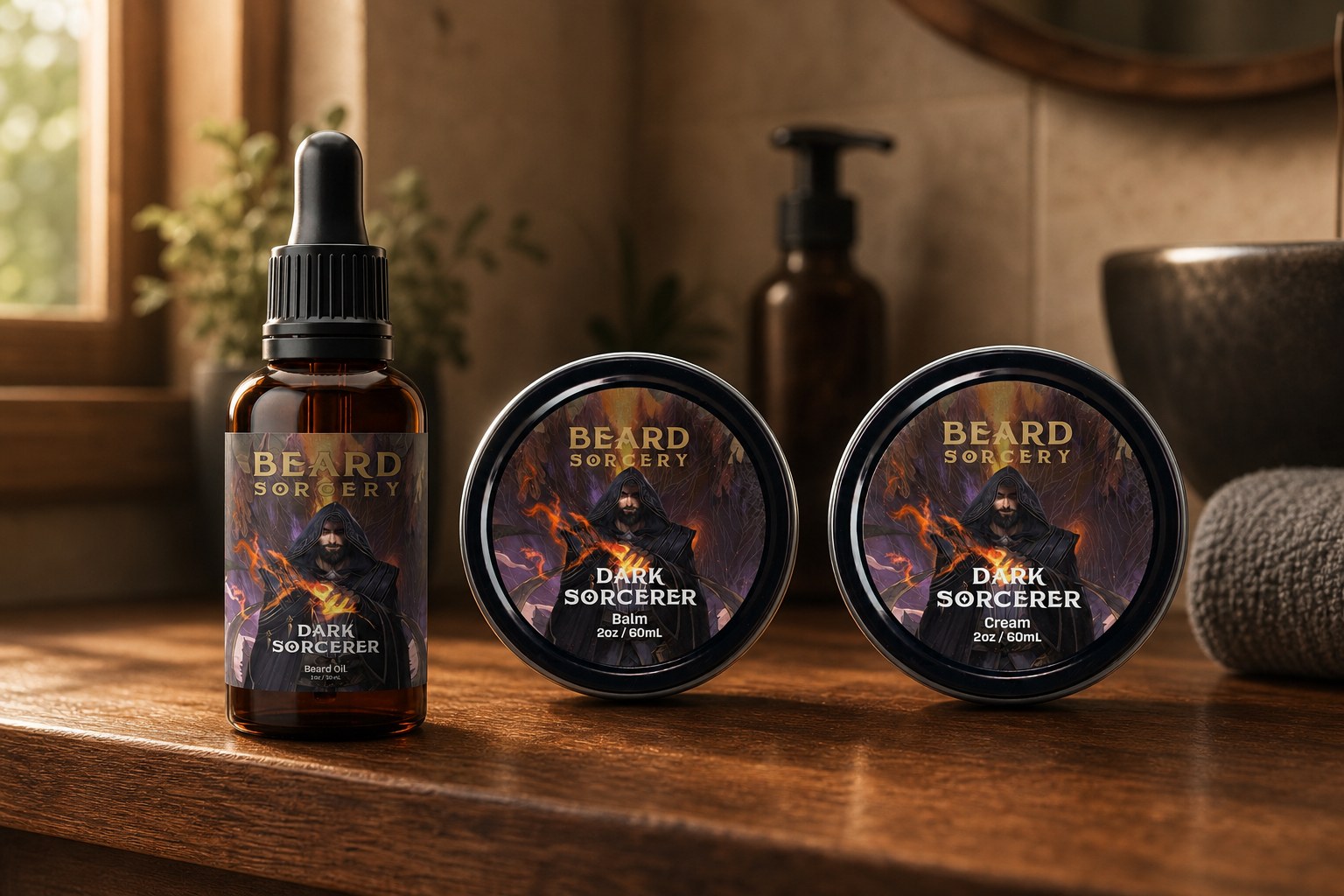
But that’s not all! The exclusive Dark Sorcerer edition, which embodies all the sorcerer’s draconic magic in its intricate design, is still available—for now. This is your final chance to own the edition that started it all, a true piece of history that launched this legendary series. Complete your collection with both the Storm Warden and the Dark Sorcerer editions, and let your display become the envy of collectors everywhere. Don’t wait—treasures like these won’t last long!
Beard Sorcery
Scent tells a story — whispered or boldly declared. Our scale runs from subtle and smooth to intensely powerful, so you can set the tone.