The Book of Beardcraft
Why Your Beard Looks Thinner in Photos and How to Angle and Groom for Better Pictures
The beard supplement industry has exploded over the last decade, largely because it sells something every patchy-bearded...
The Book of Beardcraft
The beard supplement industry has exploded over the last decade, largely because it sells something every patchy-bearded...
The beard supplement industry has exploded over the last decade, largely because it sells something every patchy-bearded man wants to believe: that genetics can be overridden with the right capsule…
 matt
2 months ago
matt
2 months ago
You’ve spent months growing your beard. In the mirror it looks full, healthy, and well-shaped. Then someone snaps a photo, and suddenly your beard appears patchy, flat, or much thinner than it does in real life.
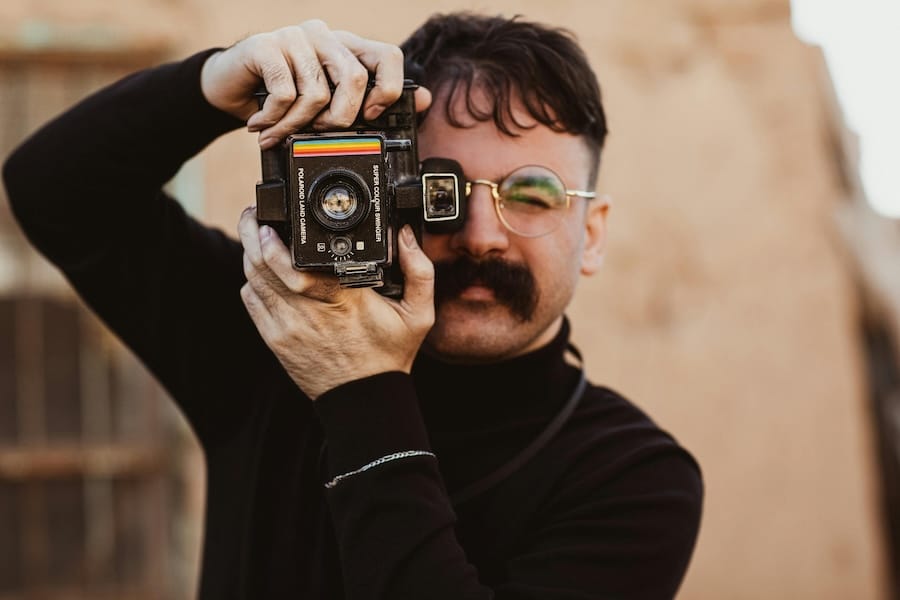
If you’ve ever had that experience, you’re not imagining things. Cameras often distort the appearance of facial hair, especially when lighting, angles, and grooming aren’t working in your favor. The good news is that most beard photography problems have very little to do with your actual beard density.
Understanding why beards look different in photos can help you present your beard more accurately, whether you’re taking a professional headshot, updating a social media profile, or simply documenting your beard journey.
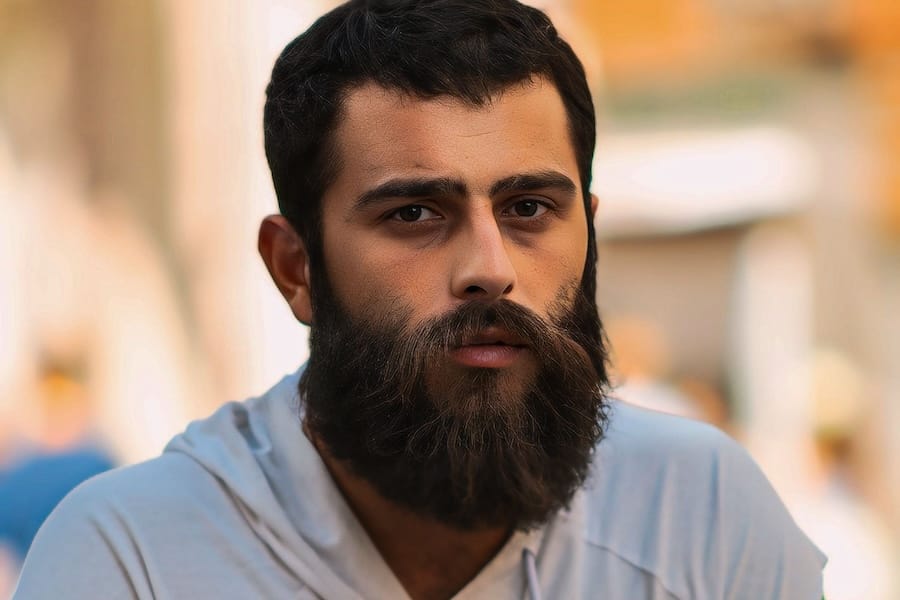
One of the biggest reasons beards look thinner in photos is that cameras reduce depth.
When you look in a mirror, your eyes perceive subtle shadows, texture, and dimension throughout your beard. Your brain combines all of that information into a three-dimensional image. A camera sensor, however, compresses much of that depth into a flat image.
This is especially noticeable in medium and longer beards. The natural layering of hairs that creates fullness in person may appear compressed into a single plane, making the beard seem less dense.
Wide-angle smartphone lenses can exaggerate this effect. They often distort facial proportions and reduce the visual impact of the beard, especially when the camera is held too close to the face.
The result is a beard that looks smaller and less substantial than it actually is.
Lighting is often the biggest culprit behind disappointing beard photos.
Overhead lighting can cast shadows that make certain areas of the beard appear sparse. Bright front lighting can wash out texture and eliminate the contrast that gives a beard visual weight. Harsh sunlight can create bright highlights that expose skin beneath the beard, even when coverage is perfectly normal.
Soft, directional lighting tends to be the most flattering for facial hair. Light coming from slightly above and to the side creates shadows that emphasize texture and depth.
Natural window light is often ideal because it highlights individual hairs without creating harsh contrasts. Many professional portrait photographers intentionally position bearded subjects near windows for this reason.
If your beard always seems thinner in photos, pay attention to the lighting before assuming your beard is the problem.

The angle of your head can dramatically change how your beard appears.
Many people instinctively lower their chin when looking at a camera or phone screen. Unfortunately, this often compresses the beard against the neck and jawline, making it appear shorter and less full.
A slightly elevated chin generally creates a stronger beard profile. It allows the beard’s shape to separate from the neck and better displays its overall volume.
Turning your face slightly instead of looking directly into the camera can also improve beard definition. A subtle three-quarter angle often reveals more depth than a straight-on photograph.
This doesn’t mean striking exaggerated modeling poses. Small adjustments are usually enough to make the beard appear closer to how it looks in person.
Many men take photos and then notice stray hairs, uneven texture, or flattened areas that make the beard appear less impressive.
A few minutes of grooming beforehand can make a significant difference.
Start by using a quality beard comb, such as the Sandalwood Beard Comb, to separate tangled hairs and distribute volume evenly throughout the beard. This helps prevent clumping, which can expose areas of skin that aren’t normally visible.
A Boars Hair Beard Brush can then help train the beard into its intended shape while adding a more uniform appearance.
If your beard tends to look dry, applying a small amount of beard oil can improve texture and create healthier-looking hair without introducing excessive shine. The goal is not to make the beard look wet, but to help individual hairs appear more defined.
For men dealing with naturally lighter growth areas, a product like Beard Enhancer can help reduce visual contrast between beard hair and skin, creating a fuller appearance in photographs.

Many beard growers assume that a longer beard automatically photographs better.
In reality, volume is usually what creates the impression of fullness.
A beard that is properly conditioned and shaped often appears denser than a longer beard that has become flattened, dry, or compressed. This is one reason regular conditioning with products such as Beard Restore can improve not only the health of the beard but also its appearance in photos.
Hydrated hairs maintain their structure more effectively. Dry hairs tend to collapse, making the beard appear smaller and less substantial.
Before an important photo, focus on creating shape and volume rather than simply showcasing length.
Perhaps the most important thing to remember is that photos rarely match what you see in the mirror.
Different lenses, lighting conditions, camera processing, and viewing angles all influence how facial hair appears. A beard that looks incredible in person can appear underwhelming in a single photograph taken from a poor angle under bad lighting.
That’s why professional photographers often take dozens of photos before finding one that accurately represents their subject.
If your beard looks thinner in one picture, it doesn’t necessarily mean your beard is thin. More often than not, it means the camera failed to capture the depth, texture, and fullness that people see in real life.
When a beard looks thinner in photos, the problem is usually not the beard itself. Camera lenses flatten depth, poor lighting hides texture, and unflattering angles can reduce the appearance of volume.
A few simple adjustments can make a dramatic difference. Use better lighting, raise your chin slightly, photograph from a subtle angle, and take a few minutes to groom beforehand. Combined with a healthy beard care routine, these small changes help photos capture your beard the way it actually looks.
The next time a picture makes your beard seem less impressive than it appears in the mirror, don’t assume your beard has a problem. The camera is often the real culprit.
Your next read
You look in the mirror and your beard has a halo. Not the good kind. A soft fuzzy cloud of hairs standing off in every direction, refusing to lie with the rest of the pack. So you reach for something heavy. A thick balm, a fistful of water, maybe both. Ten minutes later the frizz […]
Continue the adventure
Level Up
Stop leaving loot on the table. Join the Guild today to start your journey toward exclusive discounts and free potions!
Adventurer’s Welcome
Two d8s decide your discount. New customers and SMS subscribers each add a d4.
4-24% off
Every roll pays 4-24% off. Two dice to start, and up to two more you can earn.Takes 10 seconds · Your code is good for 14 days
What sorcery do you seek?
Search potions, kits, characters, or articles from the Book of Beardcraft.
In our quest to bring our enchanting formulas to a global audience, we embarked on an imaginative journey to reshape our products. Shipping hemp products internationally brought with it a labyrinth of restrictions, prompting us to craft a new blend without compromising the soul of our creations. By excluding hemp ingredients, we opened the possibility for rainbows and scents to travel unfettered across borders. The heart of our brand persists, filled with intoxicating aromas and enchanting blends that enhance experiences universally. Thus, the beloved character of our products remains vibrantly intact, ready to tantalize senses worldwide.
Throughout this reformulation, we also seized the opportunity to make our products more hypoallergenic by removing nut oils. This thoughtful alteration broadens the accessibility of our line, welcoming even those with nut sensitivities. Our choice to incorporate rosehip and safflower oil was no whimsical endeavor; these oils are famed for their enchanting properties. Rosehip oil, rich in vitamins and antioxidants, fosters the skin's radiance and charm, while safflower oil, revered for its lightweight, non-comedogenic nature, ensures a gentle, soothing touch. Together, they promise an experience as authentic as it is revitalizing, draped in warmth and genuine care.
Calling all collectors and dreamers! The new Collector’s Edition box has arrived, and it’s a masterpiece of magic, nostalgia, and excitement. Featuring the Storm Warden, this edition captures the epic struggle between the legendary sailor and the mighty kraken, with every detail crafted to perfection. Whether you're a seasoned collector or just starting out, this release will make your collection shine like never before. It’s more than a box—it’s a celebration of artistry and storytelling, ready to take center stage in your display.
But that’s not all! The exclusive Dark Sorcerer edition, which embodies all the sorcerer’s draconic magic in its intricate design, is still available—for now. This is your final chance to own the edition that started it all, a true piece of history that launched this legendary series. Complete your collection with both the Storm Warden and the Dark Sorcerer editions, and let your display become the envy of collectors everywhere. Don’t wait—treasures like these won’t last long!
Beard Sorcery
Scent tells a story — whispered or boldly declared. Our scale runs from subtle and smooth to intensely powerful, so you can set the tone.