The Book of Beardcraft
Why Your Beard Has Stopped Growing
Your beard hasn’t stopped growing. It might feel that way. You look in the mirror day after day and realise your beard h...
The Book of Beardcraft
Your beard hasn’t stopped growing. It might feel that way. You look in the mirror day after day and realise your beard h...
Your beard hasn’t stopped growing. It might feel that way. You look in the mirror day after day and realise your beard hasn’t changed in weeks. The reason is either that your beard growth is very s…
 matt
7 months ago
matt
7 months ago
Your beard hasn’t stopped growing. It might feel that way. You look in the mirror day after day and realise your beard hasn’t changed in weeks. The reason is either that your beard growth is very slow or you’ve hit a beard plateau.
Slow beard growth isn’t usually a major problem. While it can indicate an underlying condition, most of the time it’s down to lifestyle factors. Below, we explain why your beard stopped growing and what you can do about it.
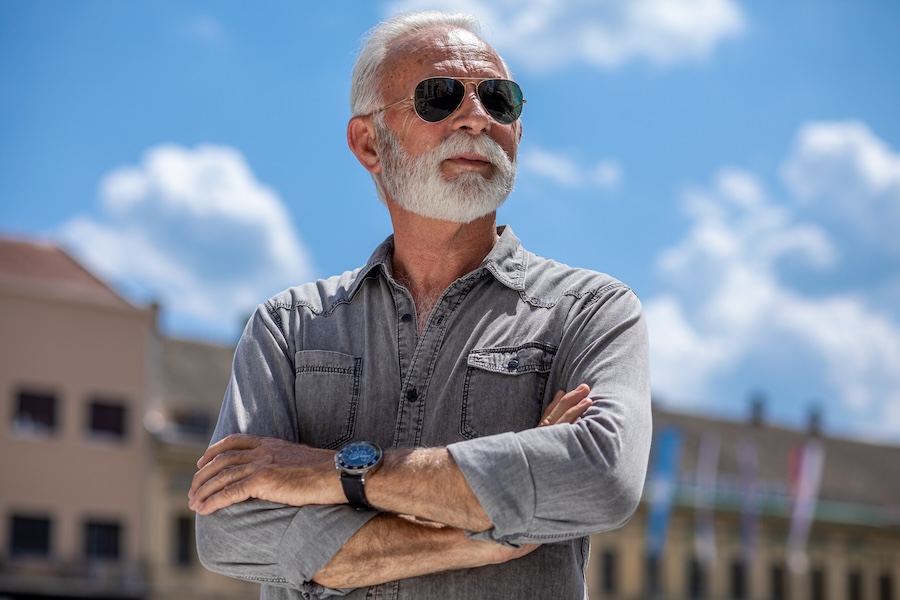
Beard growth follows three phases:
You’ll notice that each follicle is only growing in one of the three phases. Anagen might last the longest. But it’s normal for each individual follicle to undergo a period of little to no growth.
What people call ‘beard stoppage’ usually means more follicles are in the resting phase. That could be your beard plateau. Of course, not all the follicles are in sync. Some follicles might be in anagen while others are in telogen. Slow beard growth might be because you’re not supplying the nutrients or the right environment to move between these phases, lengthening the growth cycle.
Read: Every Stage of Beard Growth Explained

Every follicle has a maximum growth length determined by genetics — your terminal length. If you’re growing an extremely long beard, terminal length might be the limiting factor. It isn’t failure; it’s just biology.
Age and hormones go hand in hand. Most people notice that their facial hair thickens from their late teens to early 30s. Growth can lag before hitting maturity.
The reason? It’s all down to how your body responds to DHT (a form of testosterone). Some people’s follicles are turbocharged by DHT, whereas others are more sluggish. Your hormones can also be affected by sleep, stress, and body fat.
Hair growth isn’t magic. It relies on building blocks like zinc, iron, and vitamins A, E, D, and B to grow. It also needs lots of protein.
Slow beard growth can occur due to inadequate nutrients. Plus, a lack of nutrients can be due to restrictive diets, inconsistent meals, or long-term calorie deficits, which can force more follicles into the telogen phase. If you’re losing more hair than you’re growing, your beard can appear static.
Stress works similarly to poor nutrition. Chronic stress increases cortisol, which drains your body’s energy reserves and disrupts hormones, pushing follicles prematurely into the telogen phase. You might notice shedding, thin patches, or “stalled” growth.
Dead skin, sebum buildup, or inflammation can literally obstruct growth. Your beard needs clean, healthy skin for successful growth. If it’s dirty or irritated, it can mimic stalled growth.
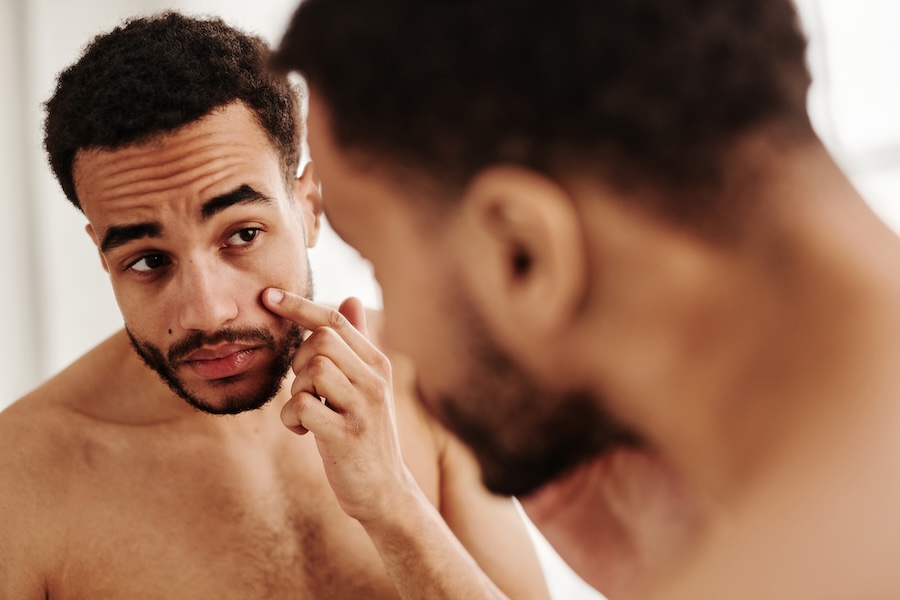
In short, no.
Your beard never stops growing completely. But each hair can reach its natural terminal length or grow extremely slowly due to your lifestyle. People often mistake this for no growth.
Most of these “beard plateaus” are temporary. With the right lifestyle changes (and a healthy dose of beard oil), you can restore normal growth.
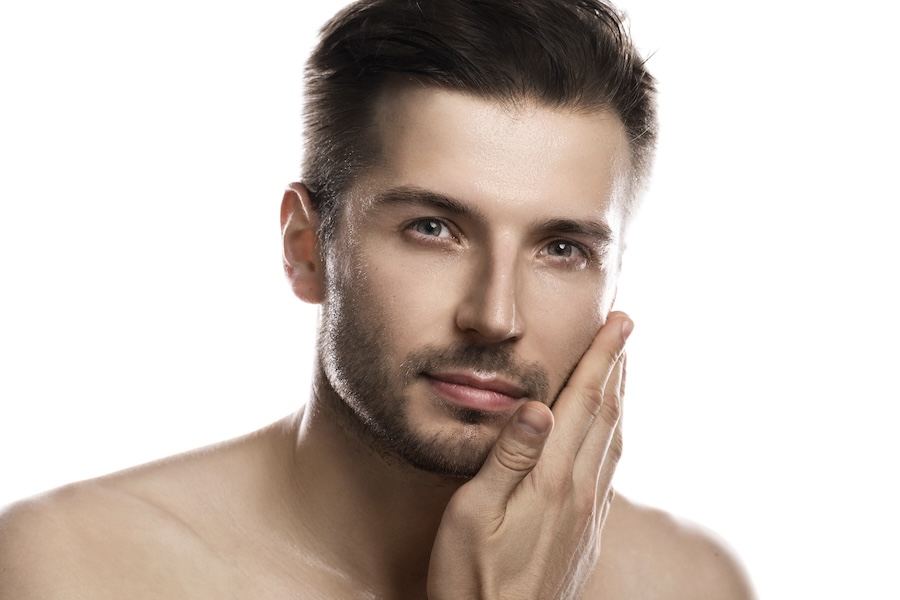
Want to kickstart growth? It’s not that complicated. Just follow these tips:
Read More: Grow a Beard Faster: How to Increase Beard Growth

Don’t always ignore slow beard growth. Rapid shedding, patchiness out of nowhere, or beard thinning after illness, extreme stress, or medication, it’s worth investigating.
If your lifestyle is good, you’re not stressed, and you’ve got other symptoms, it’s time to book a doctor’s appointment. Thyroid issues, anaemia, and severe nutritional deficiencies can all manifest in slower beard growth.

If your beard’s growing slower than a Monday morning, give it a little help. Beard Sorcery’s Beard Oil feeds the skin beneath your beard, softens the hair, and reduces the breakage that makes growth look stalled.
A few drops each day keep things hydrated, healthy, and moving in the right direction.If you want more growth, start by giving your beard the care it actually needs.
Your next read
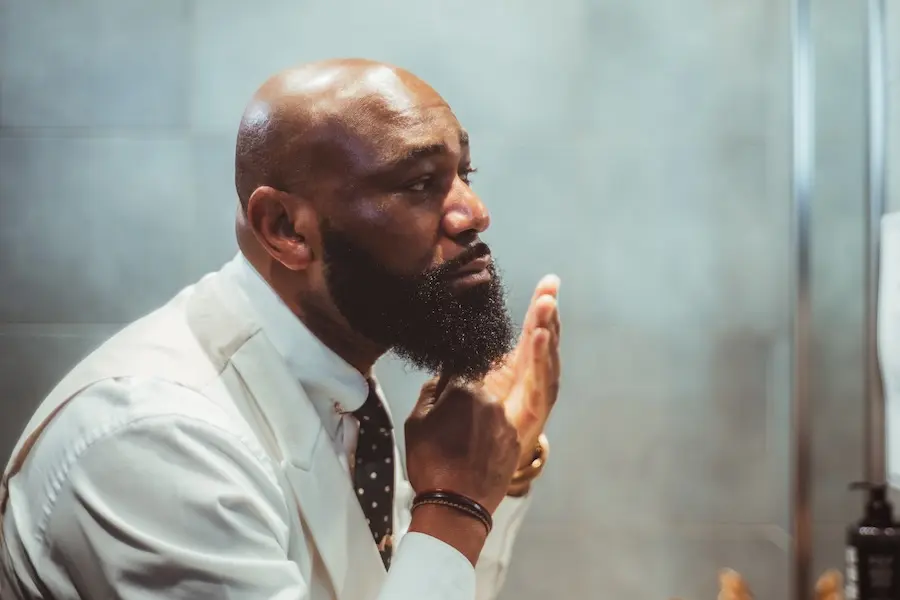
A beard does not thrive by accident. It responds to consistency, intention, and care applied over time. What most men call a routine is, at its core, a ritual. A few deliberate minutes in the morni…
Continue the adventure
Level Up
Stop leaving loot on the table. Join the Guild today to start your journey toward exclusive discounts and free potions!
Adventurer’s Welcome
Two d8s decide your discount. New customers and SMS subscribers each add a d4.
4-24% off
Every roll pays 4-24% off. Two dice to start, and up to two more you can earn.Takes 10 seconds · Your code is good for 14 days
What sorcery do you seek?
Search potions, kits, characters, or articles from the Book of Beardcraft.
In our quest to bring our enchanting formulas to a global audience, we embarked on an imaginative journey to reshape our products. Shipping hemp products internationally brought with it a labyrinth of restrictions, prompting us to craft a new blend without compromising the soul of our creations. By excluding hemp ingredients, we opened the possibility for rainbows and scents to travel unfettered across borders. The heart of our brand persists, filled with intoxicating aromas and enchanting blends that enhance experiences universally. Thus, the beloved character of our products remains vibrantly intact, ready to tantalize senses worldwide.
Throughout this reformulation, we also seized the opportunity to make our products more hypoallergenic by removing nut oils. This thoughtful alteration broadens the accessibility of our line, welcoming even those with nut sensitivities. Our choice to incorporate rosehip and safflower oil was no whimsical endeavor; these oils are famed for their enchanting properties. Rosehip oil, rich in vitamins and antioxidants, fosters the skin's radiance and charm, while safflower oil, revered for its lightweight, non-comedogenic nature, ensures a gentle, soothing touch. Together, they promise an experience as authentic as it is revitalizing, draped in warmth and genuine care.
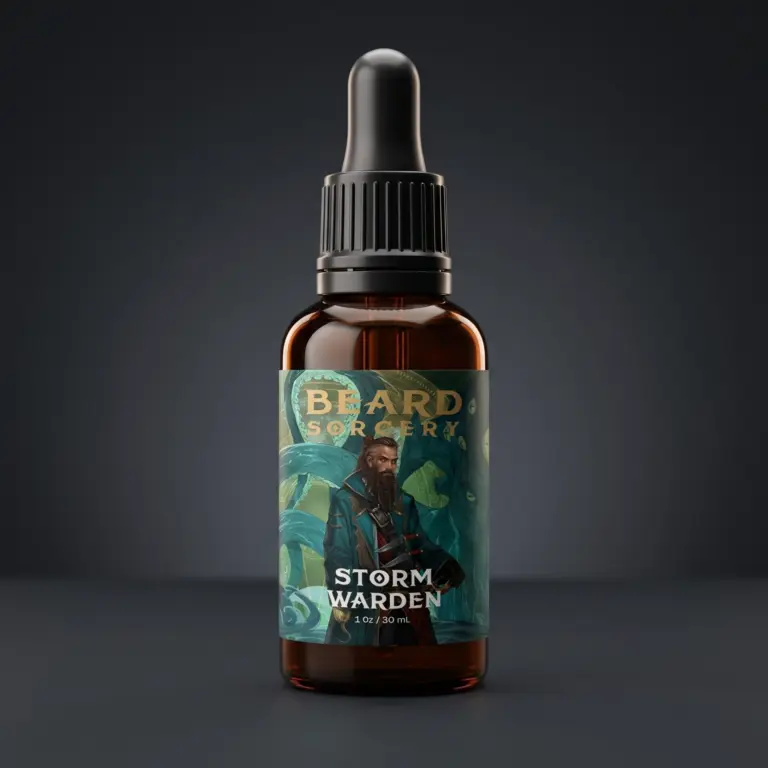
Calling all collectors and dreamers! The new Collector’s Edition box has arrived, and it’s a masterpiece of magic, nostalgia, and excitement. Featuring the Storm Warden, this edition captures the epic struggle between the legendary sailor and the mighty kraken, with every detail crafted to perfection. Whether you're a seasoned collector or just starting out, this release will make your collection shine like never before. It’s more than a box—it’s a celebration of artistry and storytelling, ready to take center stage in your display.
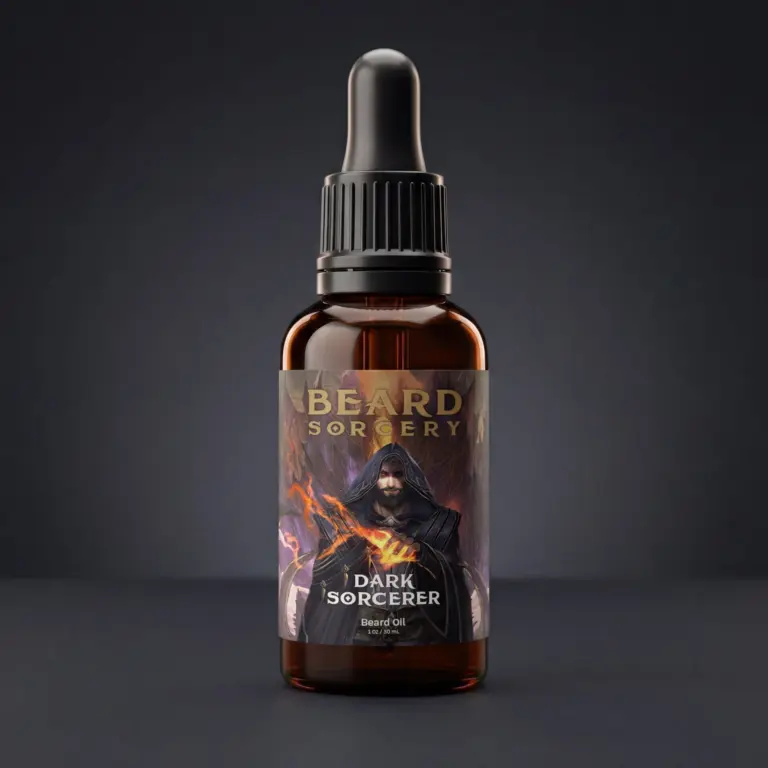
But that’s not all! The exclusive Dark Sorcerer edition, which embodies all the sorcerer’s draconic magic in its intricate design, is still available—for now. This is your final chance to own the edition that started it all, a true piece of history that launched this legendary series. Complete your collection with both the Storm Warden and the Dark Sorcerer editions, and let your display become the envy of collectors everywhere. Don’t wait—treasures like these won’t last long!
Beard Sorcery
Scent tells a story — whispered or boldly declared. Our scale runs from subtle and smooth to intensely powerful, so you can set the tone.