The History of Beards: How Facial Hair Became a Symbol of Power, Rebellion, Wisdom, and Identity
For something as simple as hair growing on your face, beards have carried an incredible amount of meaning throughout history. At different points in time, a beard has represented strength, authori…
For something as simple as hair growing on your face, beards have carried an incredible amount of meaning throughout history.
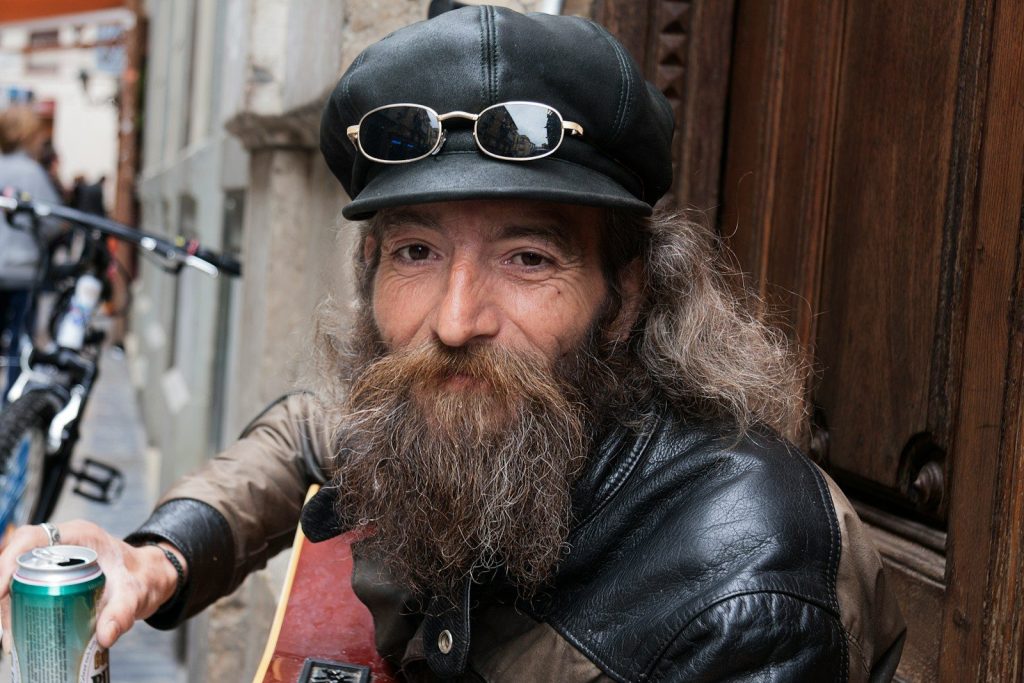
At different points in time, a beard has represented strength, authority, intelligence, religious devotion, social status, masculinity, rebellion, and even political allegiance. Entire civilizations have admired beards, outlawed them, taxed them, and required men to shave in order to fit into society.
Today, growing a beard is often a matter of personal style. But the fact that facial hair still sparks opinions proves that its cultural significance never really disappeared.
Understanding the history of beards isn’t just interesting. It helps explain why facial hair continues to be such a powerful form of self-expression.
Ancient Civilizations Saw Beards as a Mark of Status
Thousands of years ago, a beard was often associated with maturity, leadership, and power.
In ancient Mesopotamia, kings and nobles wore long, carefully groomed beards that were curled, oiled, and sometimes even decorated with precious metals. Their facial hair wasn’t left to grow wild. It was meticulously maintained because appearance reflected authority.
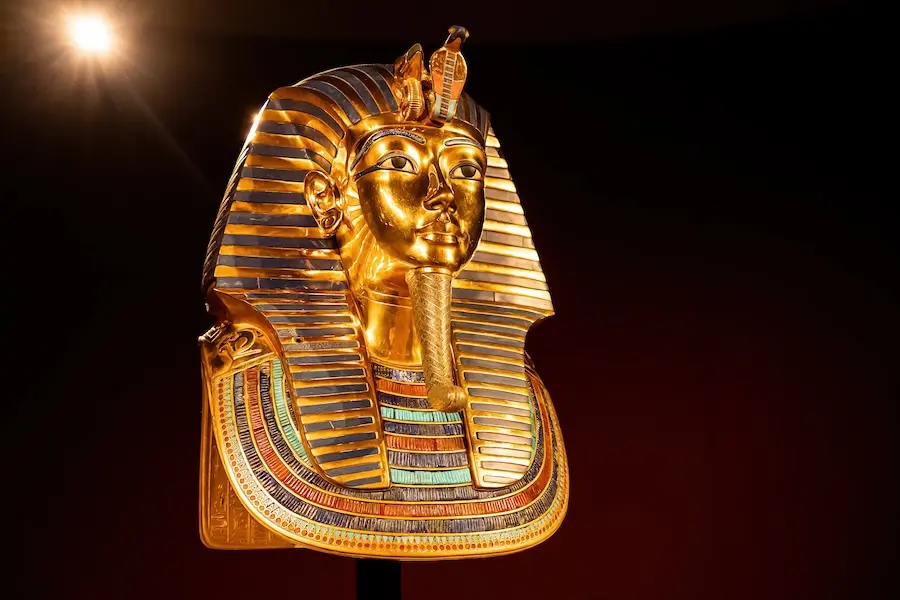
The ancient Egyptians took a different approach. Most men shaved regularly, but pharaohs often wore ceremonial false beards during official events. These artificial beards symbolized divine authority rather than natural facial hair.
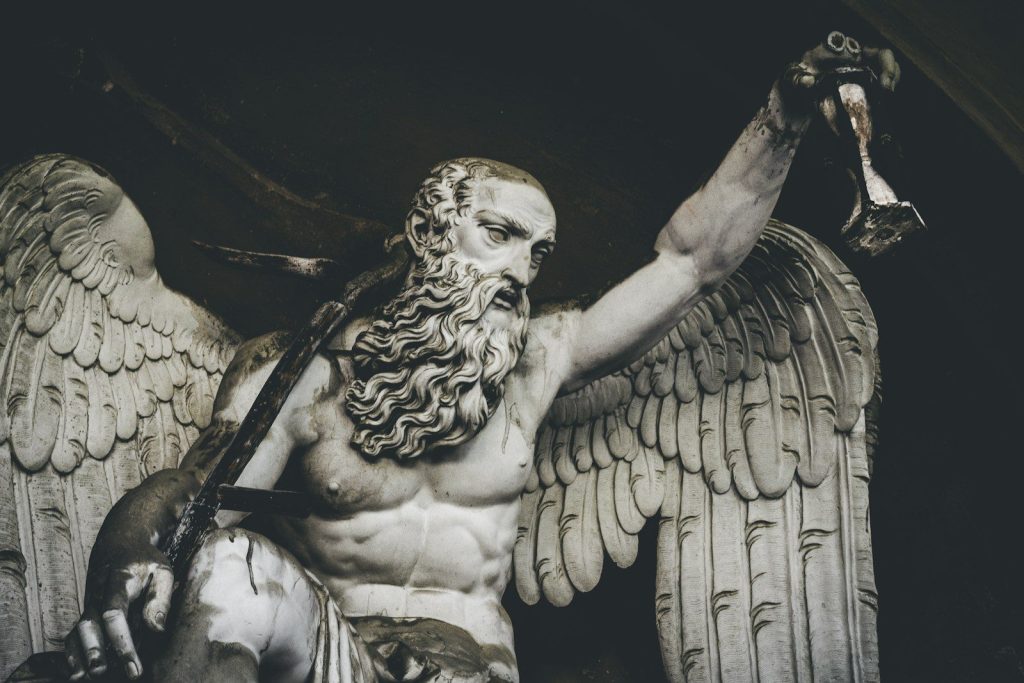
Meanwhile, many ancient Greek philosophers became known for their flowing beards, which gradually became associated with wisdom and intellectual achievement. A beard wasn’t simply hair. It represented experience and thoughtful leadership.
Even in these early civilizations, the message was clear: facial hair communicated something about the person wearing it.
The Romans Changed Everything
When the Roman Republic grew in influence, attitudes toward beards shifted dramatically.
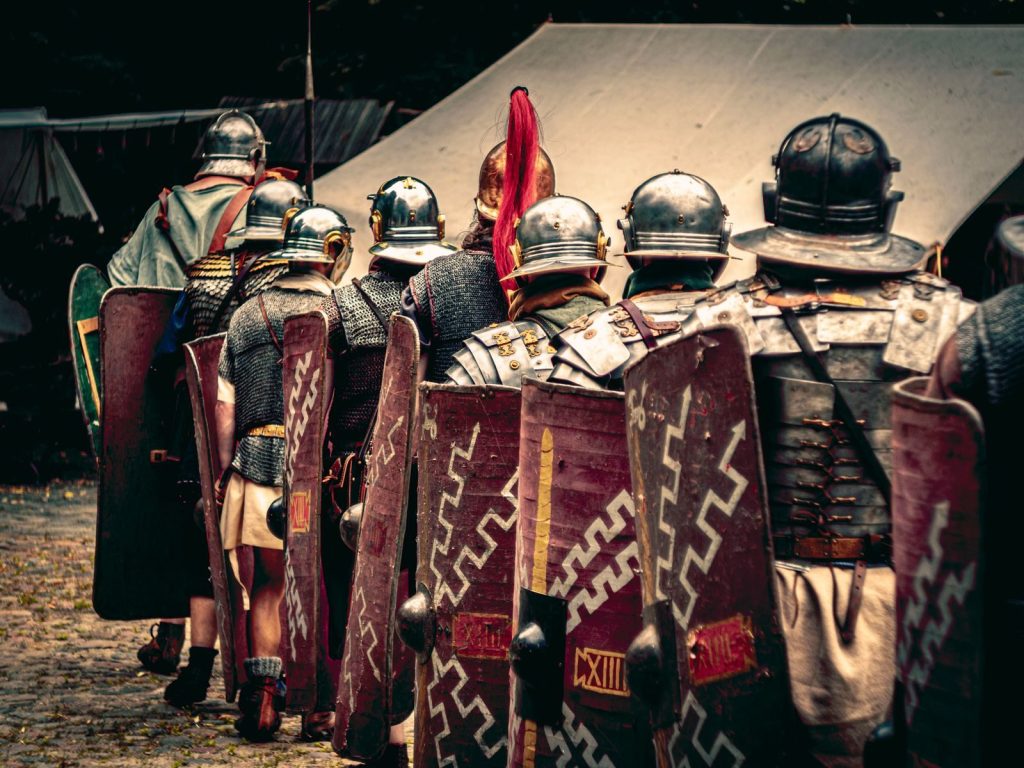
Clean-shaven faces became fashionable, especially among politicians and military leaders. Regular shaving came to represent discipline, civilization, and order.
For centuries, Roman men viewed shaving as a sign of refinement. Young men even celebrated their first shave as an important milestone into adulthood.
That doesn’t mean beards disappeared entirely. Certain emperors, most notably Emperor Hadrian, famously wore full beards, helping bring facial hair back into popularity. Hadrian’s beard reportedly inspired generations of Roman men to follow suit, proving that fashion trends have always been influenced by prominent public figures.
History shows that beard trends often swing like a pendulum. What one generation considers modern, another may reject.
Medieval Beards Reflected Honor and Faith
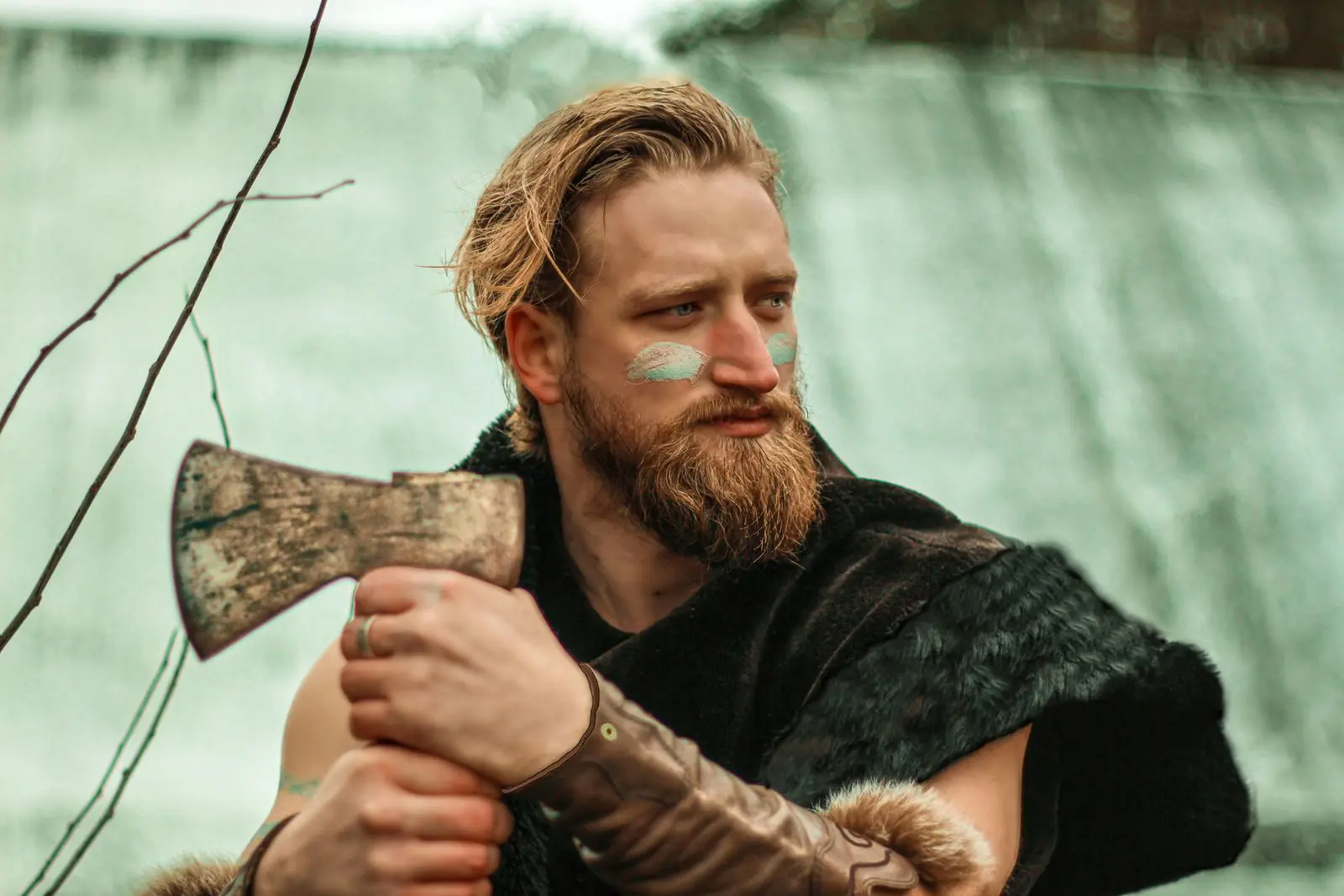
During the Middle Ages, beards once again became symbols of masculinity and honor across much of Europe.
Knights, kings, and warriors often wore facial hair that reflected both maturity and status. In many cultures, grabbing another man’s beard was considered a serious insult because it symbolically attacked his honor.
Religion also played a major role.
Many Christian, Jewish, Muslim, and Sikh traditions viewed beards as signs of devotion or respect for religious teachings. While practices differed between faiths and historical periods, facial hair often carried spiritual meaning alongside cultural significance.
For many men, growing a beard wasn’t simply a style choice. It reflected deeply held beliefs and personal identity.
Beards Became a Symbol of Rebellion
History isn’t just filled with well-groomed kings and philosophers.
Beards have also become symbols of resistance.
Throughout different eras, growing facial hair has challenged social expectations. During periods when clean-shaven appearances represented conformity, a beard could communicate independence or rejection of authority.
The 1960s and 1970s offer one of the most recognizable examples. Long hair and full beards became associated with counterculture movements that questioned established norms. Musicians, artists, and activists embraced facial hair as part of a broader message about individuality and freedom.
Even today, many men describe growing a beard as a way of expressing confidence in their own identity rather than following current fashion trends.
The Modern Beard Is About Personal Identity
Today’s beard culture is different from almost every period that came before it.
Rather than carrying one universal meaning, a beard can represent many different things depending on the individual.
For some men, it’s about confidence.
For others, it’s a connection to family traditions or cultural heritage. Some enjoy the craftsmanship involved in maintaining a healthy beard, while others simply prefer how they look with facial hair.
Social media has also helped create a renewed appreciation for beard grooming. Instead of simply growing a beard and hoping for the best, many men now learn about shaping techniques, conditioning routines, proper washing habits, and products designed to keep facial hair healthy.
Modern beard culture emphasizes intentional grooming rather than simply growing as much hair as possible.
A Great Beard Has Always Required Care
One thing history consistently teaches us is that impressive beards have rarely been accidental.
Ancient rulers oiled and styled their facial hair. Nobles carefully shaped their beards to reflect their status. Even historical portraits reveal beards that were intentionally maintained rather than neglected.
That principle still applies today.
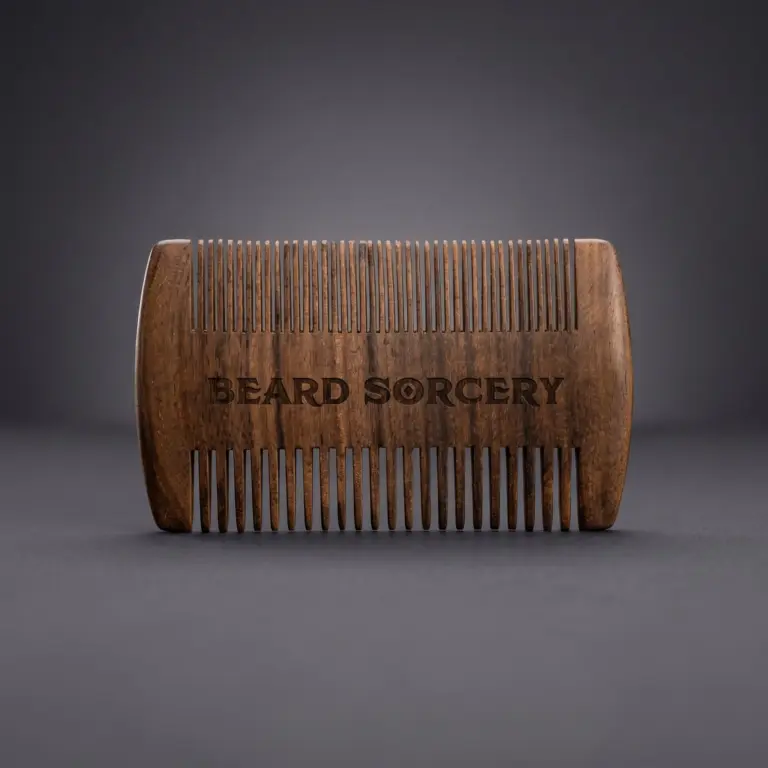
A healthy beard starts with proper care. Beard Restore helps keep facial hair soft, hydrated, and manageable. A Sandalwood Beard Comb and Boars Hair Beard Brush help distribute natural oils while maintaining shape throughout the day.
Growing a beard may take patience, but maintaining one has always required purpose.
The Meaning of a Beard Continues to Evolve
The meaning of facial hair has changed countless times throughout history.
It has symbolized kingship, military discipline, philosophical wisdom, religious devotion, social rebellion, and personal freedom. It has been celebrated by entire civilizations and discouraged by others.
Despite these changing trends, one thing has remained remarkably consistent.
People notice beards.
Facial hair has always communicated something about the person wearing it, whether intentionally or not. While today’s beards may no longer determine someone’s social status or political beliefs, they still serve as a reflection of personality, confidence, and individuality.
Conclusion
From ancient rulers to modern professionals, beards have carried far more significance than simple facial hair. Across thousands of years, they have represented power, wisdom, honor, rebellion, and identity in different cultures around the world.
While styles will continue to change, the beard’s role as a form of personal expression is unlikely to disappear anytime soon.
If history teaches us anything, it’s that a beard has never been just a beard. It’s one of humanity’s oldest and most enduring ways of expressing who we are.
Free Shipping Over $50
90-Day Money Back Guarantee
Adventurer’s Welcome
Roll for up to 24% off your first order
Two d8s decide your discount. New customers and SMS subscribers each add a d4.
4-24% off
Every roll pays 4-24% off. Two dice to start, and up to two more you can earn.
Takes 10 seconds · Your code is good for 14 days
Esc
What sorcery do you seek?
Search potions, kits, characters, or articles from the Book of Beardcraft.
What's New With the Formula?
In our quest to bring our enchanting formulas to a global audience, we embarked on an imaginative journey to reshape our products. Shipping hemp products internationally brought with it a labyrinth of restrictions, prompting us to craft a new blend without compromising the soul of our creations. By excluding hemp ingredients, we opened the possibility for rainbows and scents to travel unfettered across borders. The heart of our brand persists, filled with intoxicating aromas and enchanting blends that enhance experiences universally. Thus, the beloved character of our products remains vibrantly intact, ready to tantalize senses worldwide.
Throughout this reformulation, we also seized the opportunity to make our products more hypoallergenic by removing nut oils. This thoughtful alteration broadens the accessibility of our line, welcoming even those with nut sensitivities. Our choice to incorporate rosehip and safflower oil was no whimsical endeavor; these oils are famed for their enchanting properties. Rosehip oil, rich in vitamins and antioxidants, fosters the skin's radiance and charm, while safflower oil, revered for its lightweight, non-comedogenic nature, ensures a gentle, soothing touch. Together, they promise an experience as authentic as it is revitalizing, draped in warmth and genuine care.
What's New With this Edition?
Calling all collectors and dreamers! The new Collector’s Edition box has arrived, and it’s a masterpiece of magic, nostalgia, and excitement. Featuring the Storm Warden, this edition captures the epic struggle between the legendary sailor and the mighty kraken, with every detail crafted to perfection. Whether you're a seasoned collector or just starting out, this release will make your collection shine like never before. It’s more than a box—it’s a celebration of artistry and storytelling, ready to take center stage in your display.
But that’s not all! The exclusive Dark Sorcerer edition, which embodies all the sorcerer’s draconic magic in its intricate design, is still available—for now. This is your final chance to own the edition that started it all, a true piece of history that launched this legendary series. Complete your collection with both the Storm Warden and the Dark Sorcerer editions, and let your display become the envy of collectors everywhere. Don’t wait—treasures like these won’t last long!
Beard Sorcery
Scent Intensity
Scent tells a story — whispered or boldly declared. Our scale runs from subtle and
smooth to intensely powerful, so you can set the tone.