The Book of Beardcraft
The Beard Taper Explained (What It Is & Who It Works For)
The best beards make a smooth exit. As more men opt for shaved sides or even a full-on bald look, the beard taper stops...
The Book of Beardcraft
The best beards make a smooth exit. As more men opt for shaved sides or even a full-on bald look, the beard taper stops...
(What It Is & Who It Works For)
The best beards make a smooth exit. As more men opt for shaved sides or even a full-on bald look, the beard taper stops your beard from ending abruptly. Instead, it fades out naturally at the edges…
 matt
7 months ago
matt
7 months ago
The best beards make a smooth exit. As more men opt for shaved sides or even a full-on bald look, the beard taper stops your beard from ending abruptly. Instead, it fades out naturally at the edges. Think less sudden Batman disappearance, more slow walk into the sunset.
The problem? Most men never even consider a beard taper — and when they do, they often confuse it with a fade. There’s also plenty of uncertainty around how to taper a beard at home. Isn’t that something best left to a professional barber?
We’re answering all your questions below — from what a beard taper actually is, to how it differs from a fade, and whether you can taper a beard yourself.
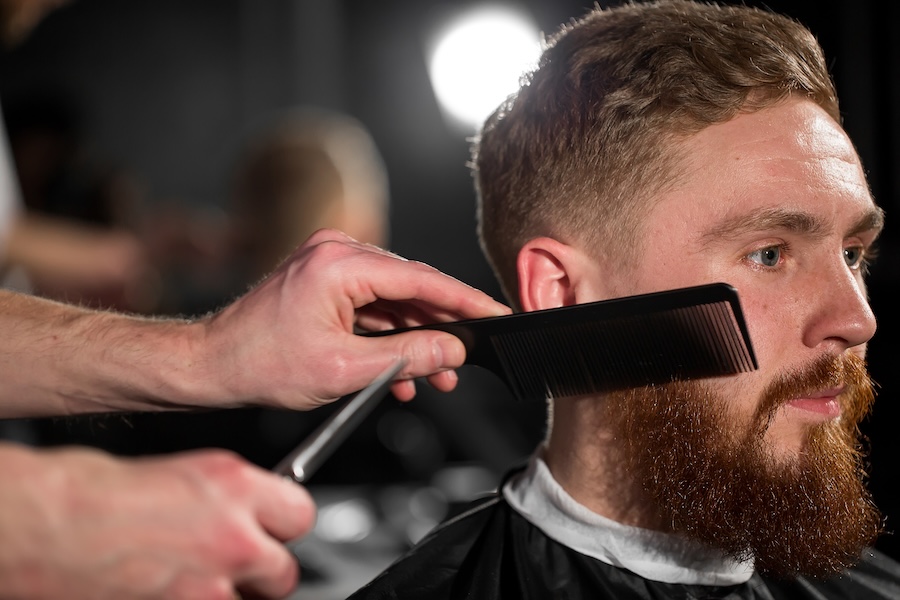
A beard taper is a gradual reduction in length until it blends softly into the skin. You’ll see a beard taper wherever the beard begins and ends: sideburns, cheeks, and neckline. It’s how you lead into the main event.
Tapers are increasingly popular today. Why? Well, achieving the perfect taper just wasn’t possible in past generations; at least, not without some serious skill with a razor. But with an electric trimmer, it’s now the gold standard for beards.
The beard taper leaves your beard looking sharper and cleaner, without sacrificing the ruggedness. It’s the sign of a man who values good grooming but isn’t overly preened.
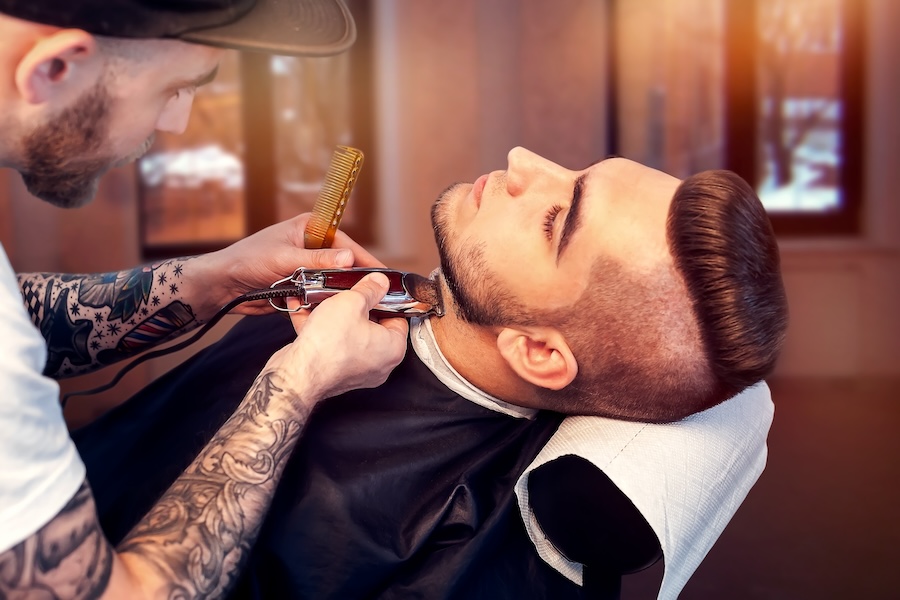
You might be thinking: This sounds a lot like a beard fade.
The confusion is understandable. The difference is the severity. A taper is a soft, subtle, and conservative blending of the beard into the skin. The fade, on the other hand, is bold, high contrast, with a much sharper gradient.
In short: the fade is a statement; the taper is just good grooming.
The two styles also speak different languages. Fades are a lot more trend-driven. They’re harder to maintain due to the sharp gradient and can look quite harsh on some men. The beard taper, in contrast, is more professional and suits most men with full or boxed beards.

The beard taper is one of the most versatile parts of a beard. It suits almost everyone. From round faces to long faces, it adds that missing ingredient.
Where doesn’t it work? The answer is triangle and diamond faces. Due to their angles and width, the taper is higher risk. That’s not to say it can’t work. Just that it can exaggerate the “bottom-heavy” look or accentuate cheekbones too much. A low, very subtle taper can still work if done right, however.
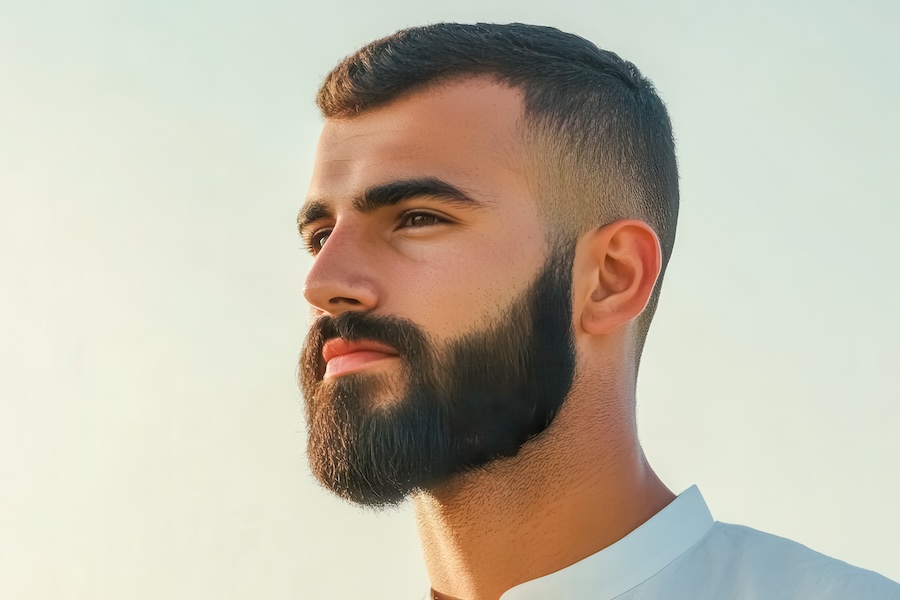
The taper works best on a full beard and on men with short hair and shaven or cropped sides. If you’ve got a big shaggy mane up top, or even medium-length hair, a taper blends into an odd patch of skin before your hair. Better to let the beard and hair connect.
Here’s a solid guide:

What about lifestyle? Beards are popular with office workers and tradesmen. For the former, it’s clean and intentional, giving you the perks of a full beard without feeling too wild and woolly, while for tradesmen, it’s tidy and practical.
Athletes also favour the beard taper. The reduced bulk at the sides helps with comfort, sweat, and hygiene.
Not all tapers are created equal. The height of your taper changes how clean, bold, or subtle the end result feels. Here’s how to pick your lane.

This is the classic, understated choice.
The taper starts just above the neckline and fades softly into the jawline. It keeps your beard looking neat without shouting about it. Perfect if you want your beard to look naturally sharp — like you just woke up tidy.

Right in the sweet spot.
The fade begins around the middle of the cheek, giving a nice, balanced blend that looks intentional but not dramatic. It suits most face shapes and works whether you’re in a suit, work gear, or gym clothes. If in doubt, start here.

The bold one.
The taper starts higher up near the sideburns, creating a stronger contrast between beard and hair (or scalp). It’s modern, eye-catching, and great if you like crisp lines. Just don’t take it too high, or you’ll drift into “barber experiment gone wrong” territory.
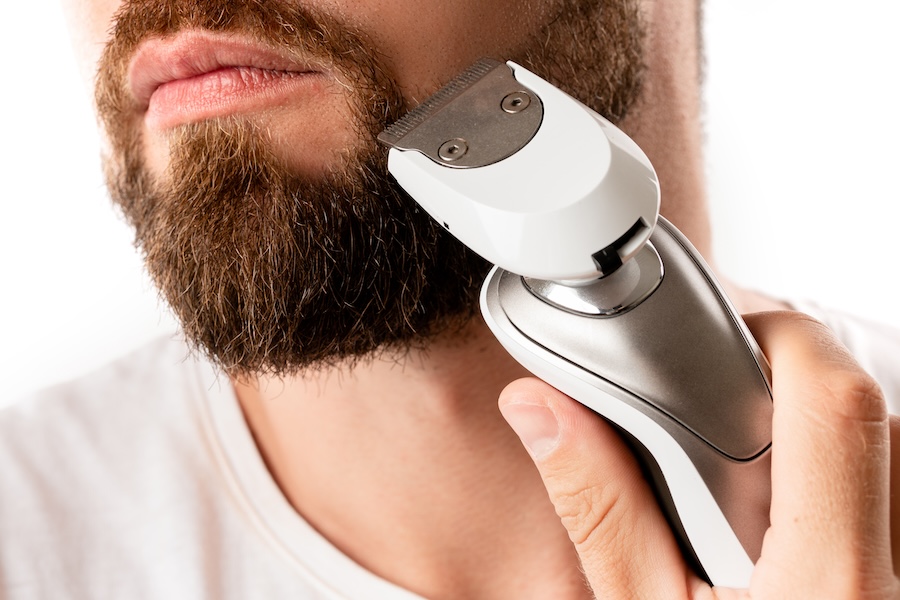
What You’ll Need:
What To Do:

The secret to the beard taper is to think of it in layers. You start by setting the longest starting point: around the length of your full beard. Then you work shorter sequentially.
Most guards come with preset lengths, giving you an easy sequence. But the best results come from trimmers that give you greater control over length.
The hardest part is always the final blending into the skin. If you struggle with this, avoid it completely. Give yourself a narrow band of stubble leading into your hair.

Let’s not pretend: beard tapers require a bit more maintenance than some beard styles. They’re not quite as intensive as the fade. However, you’ll still need to stay on top of the look.
Generally, you’ll want to refresh your taper every 3-5 days for a clean look. At most, leave it 7-10 days.
Where you can’t miss a day is with beard oil and brushing. Most beard tapers go with a full (or boxed) beard. A healthy dose of beard oil keeps the beard looking shiny and thick.
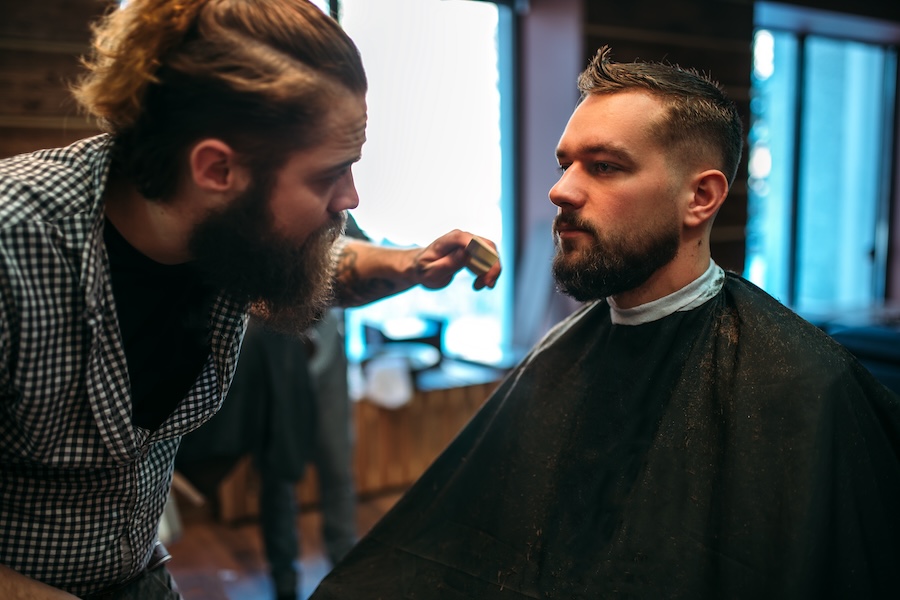
If you’re new to all things beardcraft, going to the barber is probably a good idea. They’ll at least be able to create the taper, and then you can maintain at home. A beard taper is probably one of the hardest beard styles to master. Not for beginners.
That being said, if you know your way around a razor, a taper is realistic. Take your time. Plan it out. And work your way through the steps. Just don’t be too adventurous. You’re probably not achieving a full fade without the right equipment.

A beard taper isn’t about showing off. It’s about looking like you’ve got your act together without trying too hard. Whether you go low, mid, or high, the goal is simple: keep it clean, keep it balanced, and make it look effortless.
Give your beard the care it deserves. The right tools and a touch of oil can make all the difference. You’ll find everything you need to keep your taper looking sharp at Beard Sorcery.
Check out next:
Level Up
Stop leaving loot on the table. Join the Guild today to start your journey toward exclusive discounts and free potions!
Adventurer’s Welcome
Two d8s decide your discount. New customers and SMS subscribers each add a d4.
4-24% off
Every roll pays 4-24% off. Two dice to start, and up to two more you can earn.Takes 10 seconds · Your code is good for 14 days
What sorcery do you seek?
Search potions, kits, characters, or articles from the Book of Beardcraft.
In our quest to bring our enchanting formulas to a global audience, we embarked on an imaginative journey to reshape our products. Shipping hemp products internationally brought with it a labyrinth of restrictions, prompting us to craft a new blend without compromising the soul of our creations. By excluding hemp ingredients, we opened the possibility for rainbows and scents to travel unfettered across borders. The heart of our brand persists, filled with intoxicating aromas and enchanting blends that enhance experiences universally. Thus, the beloved character of our products remains vibrantly intact, ready to tantalize senses worldwide.
Throughout this reformulation, we also seized the opportunity to make our products more hypoallergenic by removing nut oils. This thoughtful alteration broadens the accessibility of our line, welcoming even those with nut sensitivities. Our choice to incorporate rosehip and safflower oil was no whimsical endeavor; these oils are famed for their enchanting properties. Rosehip oil, rich in vitamins and antioxidants, fosters the skin's radiance and charm, while safflower oil, revered for its lightweight, non-comedogenic nature, ensures a gentle, soothing touch. Together, they promise an experience as authentic as it is revitalizing, draped in warmth and genuine care.
Calling all collectors and dreamers! The new Collector’s Edition box has arrived, and it’s a masterpiece of magic, nostalgia, and excitement. Featuring the Storm Warden, this edition captures the epic struggle between the legendary sailor and the mighty kraken, with every detail crafted to perfection. Whether you're a seasoned collector or just starting out, this release will make your collection shine like never before. It’s more than a box—it’s a celebration of artistry and storytelling, ready to take center stage in your display.
But that’s not all! The exclusive Dark Sorcerer edition, which embodies all the sorcerer’s draconic magic in its intricate design, is still available—for now. This is your final chance to own the edition that started it all, a true piece of history that launched this legendary series. Complete your collection with both the Storm Warden and the Dark Sorcerer editions, and let your display become the envy of collectors everywhere. Don’t wait—treasures like these won’t last long!
Beard Sorcery
Scent tells a story — whispered or boldly declared. Our scale runs from subtle and smooth to intensely powerful, so you can set the tone.