How to Fix a Patchy Beard: Styling Tricks and Habits That Make Sparse Areas Less Noticeable
One of the biggest misconceptions in beard grooming is that longer automatically means better. Many men spend months growing their beards, only to discover that the added length doesn’t actually im…
A patchy beard can be frustrating. You put in the time, let your beard grow, and instead of the full, even coverage you imagined, you end up with areas that seem thinner, uneven, or slower to fill in. The good news is that a patchy beard does not automatically mean a bad beard.
A great beard is not just about density. It is about how you shape, maintain, and work with what you have. Many impressive beards are not naturally perfect. They are carefully groomed to create balance, emphasize strengths, and make thinner areas blend naturally.
While genetics play the biggest role in beard growth, there are plenty of ways to make a patchy beard look fuller. The right length, grooming routine, styling techniques, and patience can dramatically change the appearance of your beard.
Find the Right Beard Length for Your Growth Pattern
One of the biggest mistakes men with patchy beards make is choosing the wrong length.
Many people assume growing a beard longer will automatically hide thin spots. Sometimes it does, but sometimes extra length actually makes patches stand out more. When hair grows longer, sparse areas can create more visible gaps because the surrounding hairs become longer and heavier.
The goal is to find the length where your beard looks the fullest.
For some men, that might be a shorter, well-maintained beard around the 5 to 10 mm range. A shorter beard keeps the hair density visually consistent and prevents thin areas from looking like empty spaces.
For others, letting the beard grow longer allows surrounding hairs to overlap and create better coverage. The key is paying attention to your own growth pattern instead of chasing a specific beard length.
Give your beard enough time to grow before judging it. Many patchy areas appear worse during the early stages because different parts of your beard grow at different speeds. A cheek that looks empty after two weeks may look completely different after two months.
Use Shape to Your Advantage
A good beard style is about creating balance. If certain areas grow stronger than others, your haircut and beard shape should work together to guide attention where you want it.
For example, many men struggle with lighter cheek growth but have stronger coverage around the chin, jaw, and mustache. Instead of fighting that pattern, choose a style that highlights those stronger areas.
A defined jawline beard, goatee, or shorter boxed beard can create a deliberate look while minimizing weaker growth zones.
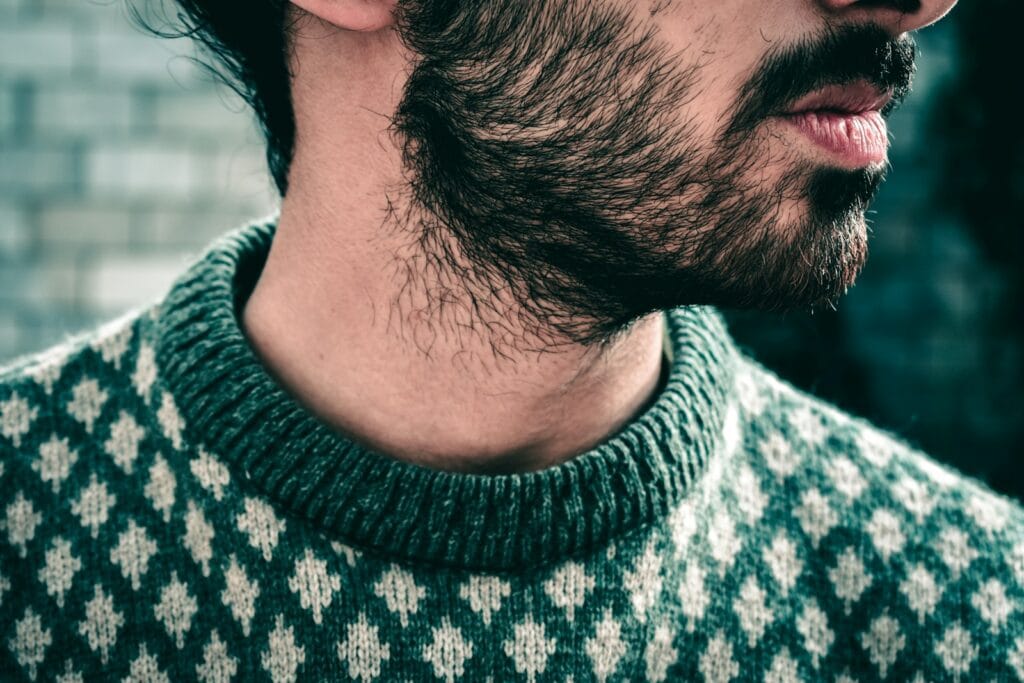
Your neckline also plays a major role. A neckline that is too high can make your beard appear thinner because it removes valuable coverage underneath the jaw. A neckline that is too low can make your beard look messy and reduce the sharpness of your shape.
The goal is to create clean boundaries while preserving as much density as possible.
Train Your Beard Hair to Lay Correctly
Beard hairs do not always naturally grow in the direction that makes them look the fullest.
Some hairs grow outward, curl, or stick away from the face. This can create shadows and gaps that make a beard appear patchier than it actually is.
Regular brushing helps guide your beard into a more uniform shape. A Boars Hair Beard Brush can help distribute natural oils, smooth the hair, and train shorter hairs to lay with the rest of your beard.
For longer beards, a quality comb like a Sandalwood Beard Comb can help separate and arrange hairs without creating unnecessary tugging.
The goal is not to force your beard into a completely different shape. It is to help the hairs you already have work together.
Add Volume With the Right Products
A beard that is dry, tangled, or flattened will almost always look thinner.
Healthy beard hair has more texture and body. Using a beard conditioner like Beard Restore can help soften coarse hairs and improve how your beard feels and lays. When hairs are healthier, they tend to look fuller because they are not clumping together into thin sections.
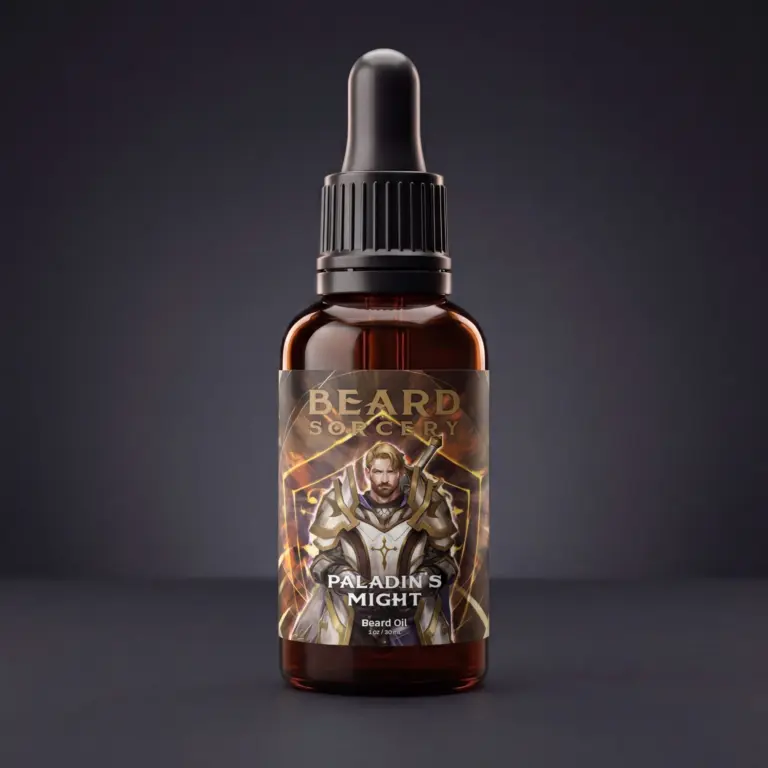
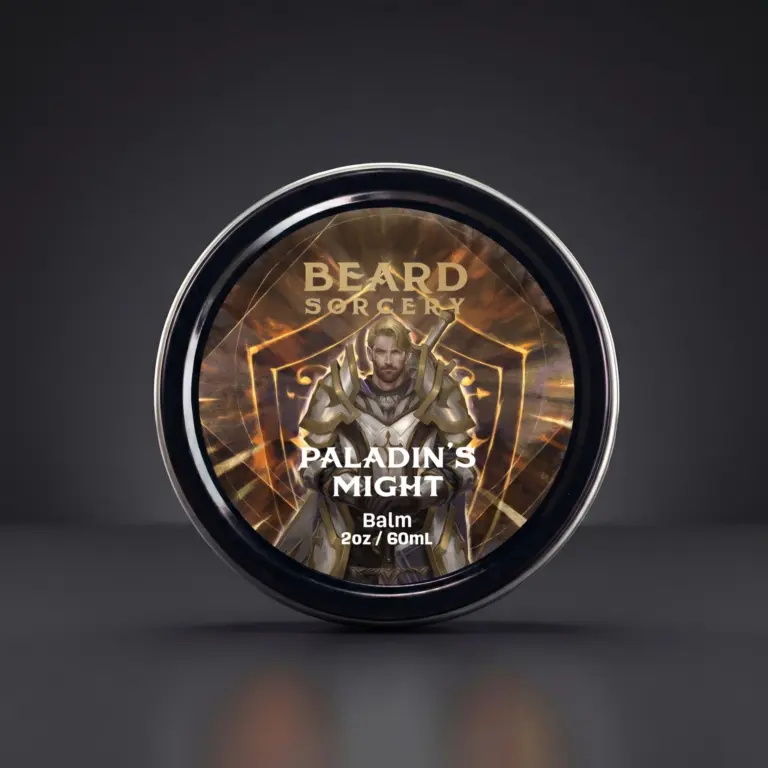
Beard oil can also help reduce dryness and improve the appearance of your beard, while beard balm can provide light control and help guide hairs into place.
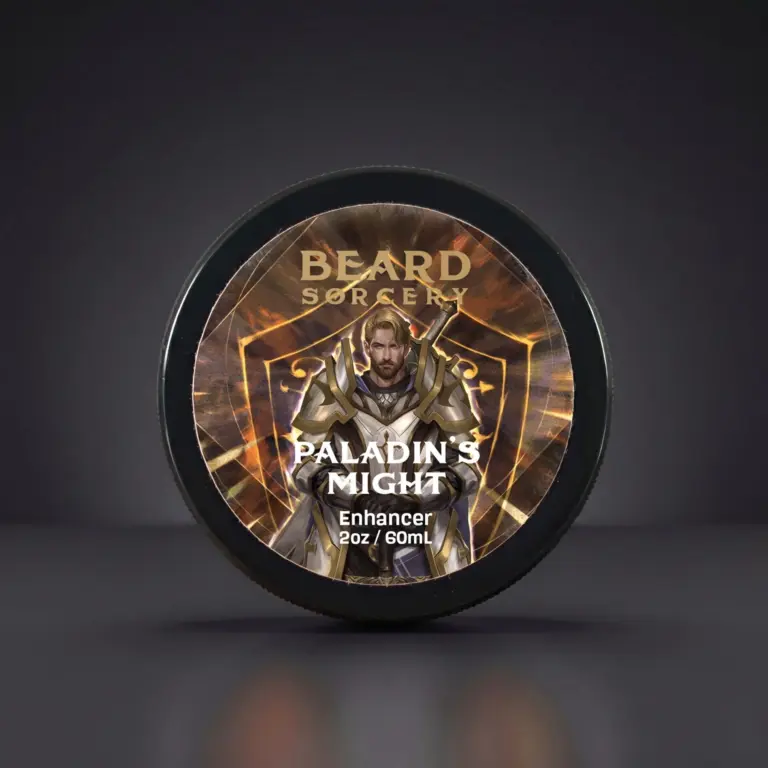
For men dealing with especially uneven growth, a product like Beard Enhancer can help add temporary fullness and texture, giving your beard a thicker appearance while you work on your long-term growth habits.
Products cannot create new beard hair, but they can absolutely improve the way your existing beard looks.
Avoid Over-Trimming Thin Areas
A common reaction to patchy growth is constantly trying to “fix” the problem with the trimmer.
You notice a thin spot, so you trim around it. Then another area looks uneven, so you trim again. Before long, you have removed the very length that could have helped blend the beard together.
Instead, give your beard room to develop.
Strategic trimming is about creating balance, not chasing perfection. Leave stronger areas slightly longer if they help cover weaker spots. Maintain clean edges, but avoid constantly cutting back areas that are still filling in.
Sometimes the best thing you can do for a patchy beard is simply stop interfering with it for a while.
Improve the Habits That Support Beard Growth
Your beard is affected by the same things that affect the rest of your body. While no routine can override genetics, healthy habits support the best growth potential your body can provide.
Getting enough sleep, eating a balanced diet with adequate protein, managing stress, and staying active all contribute to overall hair health.
A consistent grooming routine also matters. Washing too aggressively, neglecting conditioning, or constantly picking at your beard can make it look worse.
Growing a beard is a process. The men who end up with the best results are usually the ones who learn their beard’s habits and work with them instead of fighting them.
Conclusion: A Patchy Beard Can Still Be a Great Beard
A full beard is not defined by perfect coverage. It is defined by intentional grooming.
The difference between a patchy beard and a well-kept beard often comes down to knowing how to shape it, maintain it, and highlight what works. The right length, proper styling, and consistent care can transform an uneven beard into one that looks deliberate and confident.
Your beard does not have to grow exactly like someone else’s to look great. The best beard is the one that works with your own growth pattern.
Free Shipping Over $50
90-Day Money Back Guarantee
Adventurer’s Welcome
Roll for up to 24% off your first order
Two d8s decide your discount. New customers and SMS subscribers each add a d4.
4-24% off
Every roll pays 4-24% off. Two dice to start, and up to two more you can earn.
Takes 10 seconds · Your code is good for 14 days
Esc
What sorcery do you seek?
Search potions, kits, characters, or articles from the Book of Beardcraft.
What's New With the Formula?
In our quest to bring our enchanting formulas to a global audience, we embarked on an imaginative journey to reshape our products. Shipping hemp products internationally brought with it a labyrinth of restrictions, prompting us to craft a new blend without compromising the soul of our creations. By excluding hemp ingredients, we opened the possibility for rainbows and scents to travel unfettered across borders. The heart of our brand persists, filled with intoxicating aromas and enchanting blends that enhance experiences universally. Thus, the beloved character of our products remains vibrantly intact, ready to tantalize senses worldwide.
Throughout this reformulation, we also seized the opportunity to make our products more hypoallergenic by removing nut oils. This thoughtful alteration broadens the accessibility of our line, welcoming even those with nut sensitivities. Our choice to incorporate rosehip and safflower oil was no whimsical endeavor; these oils are famed for their enchanting properties. Rosehip oil, rich in vitamins and antioxidants, fosters the skin's radiance and charm, while safflower oil, revered for its lightweight, non-comedogenic nature, ensures a gentle, soothing touch. Together, they promise an experience as authentic as it is revitalizing, draped in warmth and genuine care.
What's New With this Edition?
Calling all collectors and dreamers! The new Collector’s Edition box has arrived, and it’s a masterpiece of magic, nostalgia, and excitement. Featuring the Storm Warden, this edition captures the epic struggle between the legendary sailor and the mighty kraken, with every detail crafted to perfection. Whether you're a seasoned collector or just starting out, this release will make your collection shine like never before. It’s more than a box—it’s a celebration of artistry and storytelling, ready to take center stage in your display.
But that’s not all! The exclusive Dark Sorcerer edition, which embodies all the sorcerer’s draconic magic in its intricate design, is still available—for now. This is your final chance to own the edition that started it all, a true piece of history that launched this legendary series. Complete your collection with both the Storm Warden and the Dark Sorcerer editions, and let your display become the envy of collectors everywhere. Don’t wait—treasures like these won’t last long!
Beard Sorcery
Scent Intensity
Scent tells a story — whispered or boldly declared. Our scale runs from subtle and
smooth to intensely powerful, so you can set the tone.