The Book of Beardcraft
When to Trim vs Let It Grow: Mastering Beard Restraint
Growing a great beard is not just about effort. It is about knowing when to step in and when to step back. A lot of men...
The Book of Beardcraft
Growing a great beard is not just about effort. It is about knowing when to step in and when to step back. A lot of men...
Growing a great beard is not just about effort. It is about knowing when to step in and when to step back. A lot of men lose progress not because they neglect their beard, but because they interfer…
 matt
5 months ago
matt
5 months ago
Growing a great beard is not just about effort. It is about knowing when to step in and when to step back.
A lot of men lose progress not because they neglect their beard, but because they interfere with it too often. Mastering restraint is what separates a beard that looks intentional from one that always feels like it is in recovery mode.

In the early stages, your beard is doing something important beneath the surface. It is filling in, finding its shape, and building density.
This is the phase where trimming can do more harm than good. Cutting too early often leads to uneven patches becoming more noticeable, or worse, resetting areas that needed more time.
If your beard is still coming in and you are under that first month or so of growth, the best move is usually to leave it alone. Let it establish itself before you start sculpting it.

A common mistake is trimming just because it feels like it is time. Beards do not run on a schedule.
Trimming should have a purpose. Are you cleaning up the neckline? Defining the cheek line? Removing obvious strays that break the silhouette?
If the answer is no, then you may be trimming out of habit instead of intention. A good trim enhances the beard’s natural shape. It does not fight against it.

There are moments when trimming is absolutely the right call. Knowing these signs helps you stay in control without overdoing it.
When the beard starts to lose its shape and looks more like a blur than a form, it is time for a light cleanup. If certain hairs are growing far faster than the rest and disrupting the balance, they can be carefully brought back in line.
Dry, split ends can also be a signal. These do not improve with time, and a small trim can keep the beard looking healthier overall.

Sometimes the best thing you can do is nothing.
If your beard is growing evenly and simply getting longer, that is progress, not a problem. If you find yourself tempted to “fix” something minor that only you notice, it is usually better to step away.
Over-trimming often comes from chasing perfection. Strong beards are not perfect. They are consistent and well maintained over time.

Restraint does not mean doing nothing at all. It means using the right tools instead of defaulting to scissors.
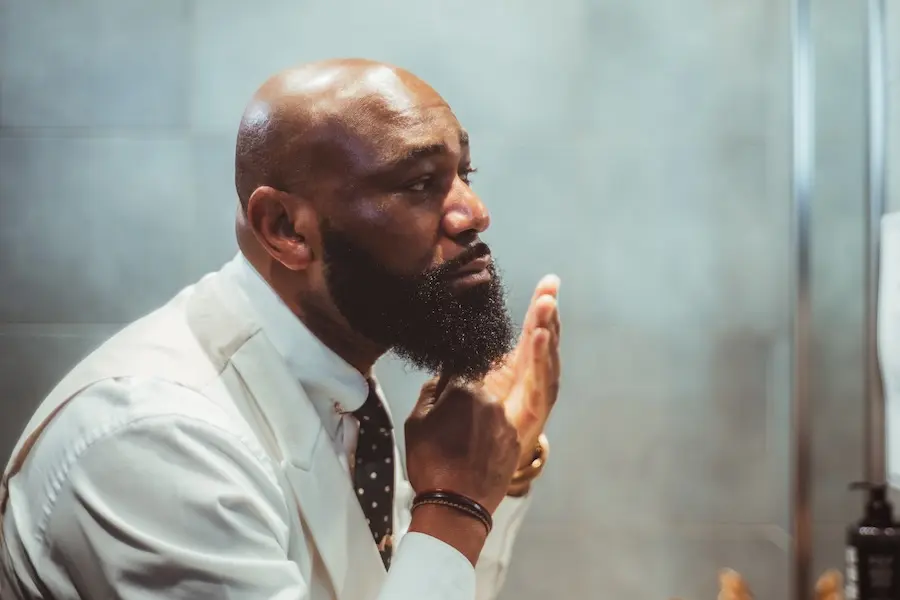
A good beard oil softens the hair and makes it easier to guide into place. This alone can reduce the urge to trim. A comb or brush helps train the beard to lay the way you want, giving it structure without removing length.
Often, what looks like a trimming problem is really a styling problem.
Knowing when to trim and when to leave your beard alone is one of the most valuable skills you can develop.
A well-grown beard is built on patience, not constant correction. Trim with purpose, step back when things are working, and trust the process. Over time, that restraint is what turns a decent beard into a great one.
Your next read
A beard does not thrive by accident. It responds to consistency, intention, and care applied over time. What most men call a routine is, at its core, a ritual. A few deliberate minutes in the morni…
Continue the adventure
Level Up
Stop leaving loot on the table. Join the Guild today to start your journey toward exclusive discounts and free potions!
Adventurer’s Welcome
Two d8s decide your discount. New customers and SMS subscribers each add a d4.
4-24% off
Every roll pays 4-24% off. Two dice to start, and up to two more you can earn.Takes 10 seconds · Your code is good for 14 days
What sorcery do you seek?
Search potions, kits, characters, or articles from the Book of Beardcraft.
In our quest to bring our enchanting formulas to a global audience, we embarked on an imaginative journey to reshape our products. Shipping hemp products internationally brought with it a labyrinth of restrictions, prompting us to craft a new blend without compromising the soul of our creations. By excluding hemp ingredients, we opened the possibility for rainbows and scents to travel unfettered across borders. The heart of our brand persists, filled with intoxicating aromas and enchanting blends that enhance experiences universally. Thus, the beloved character of our products remains vibrantly intact, ready to tantalize senses worldwide.
Throughout this reformulation, we also seized the opportunity to make our products more hypoallergenic by removing nut oils. This thoughtful alteration broadens the accessibility of our line, welcoming even those with nut sensitivities. Our choice to incorporate rosehip and safflower oil was no whimsical endeavor; these oils are famed for their enchanting properties. Rosehip oil, rich in vitamins and antioxidants, fosters the skin's radiance and charm, while safflower oil, revered for its lightweight, non-comedogenic nature, ensures a gentle, soothing touch. Together, they promise an experience as authentic as it is revitalizing, draped in warmth and genuine care.
Calling all collectors and dreamers! The new Collector’s Edition box has arrived, and it’s a masterpiece of magic, nostalgia, and excitement. Featuring the Storm Warden, this edition captures the epic struggle between the legendary sailor and the mighty kraken, with every detail crafted to perfection. Whether you're a seasoned collector or just starting out, this release will make your collection shine like never before. It’s more than a box—it’s a celebration of artistry and storytelling, ready to take center stage in your display.
But that’s not all! The exclusive Dark Sorcerer edition, which embodies all the sorcerer’s draconic magic in its intricate design, is still available—for now. This is your final chance to own the edition that started it all, a true piece of history that launched this legendary series. Complete your collection with both the Storm Warden and the Dark Sorcerer editions, and let your display become the envy of collectors everywhere. Don’t wait—treasures like these won’t last long!
Beard Sorcery
Scent tells a story — whispered or boldly declared. Our scale runs from subtle and smooth to intensely powerful, so you can set the tone.