The Book of Beardcraft
Tracking Growth: How to Measure Progress and Make Adjustments
Beard growth is rarely dramatic. There is no single morning where everything suddenly looks right. Instead, progress hap...
The Book of Beardcraft
Beard growth is rarely dramatic. There is no single morning where everything suddenly looks right. Instead, progress hap...
Beard growth is rarely dramatic. There is no single morning where everything suddenly looks right. Instead, progress happens gradually, often unevenly, and sometimes invisibly. This is where frustr…
 matt
6 months ago
matt
6 months ago
Beard growth is rarely dramatic. There is no single morning where everything suddenly looks right. Instead, progress happens gradually, often unevenly, and sometimes invisibly. This is where frustration usually creeps in. Without a way to track change, it becomes easy to assume nothing is happening or that something is wrong.
Tracking growth is not about micromanaging every hair. It is about understanding how your beard responds over time. When you pay attention to patterns rather than moments, you gain the ability to make informed adjustments instead of reactive ones. Beard care products play an important role here, not as shortcuts, but as stabilizers that help growth remain healthy and consistent.

Length is the least reliable early indicator of progress. Different areas of the face grow at different speeds, and most beards fill in before they lengthen noticeably. Focusing only on visible length often leads to unnecessary trimming or abandonment too early.
A better metric is consistency. How long have you been growing without interruption? Have you been applying beard oil regularly to keep the skin healthy? Has your routine remained steady? Beard oil supports growth indirectly by reducing dryness, itch, and irritation that often cause men to give up before results appear.
Time paired with consistent care creates the conditions where growth can actually express itself.

Daily mirror checks distort perception. The beard changes slowly, and familiarity hides progress. Instead, use visual checkpoints. Taking a photo every two to four weeks under similar lighting and angle allows you to see real changes in density, coverage, and shape.
These photos also reveal how well your grooming habits are working. A beard that looks increasingly dry or unruly over time may need more hydration or better oil distribution. Beard oil improves flexibility and shine, making growth appear healthier and more uniform in these comparisons.
Tracking visually removes emotion and replaces it with evidence.

Progress is not purely visual. A beard that becomes softer, easier to detangle, and more comfortable against the skin is improving, even if length gains are subtle. Texture is one of the clearest indicators of effective care.
Beard oil plays a major role here. When used consistently, it reduces brittleness and breakage, allowing hairs to retain length instead of snapping off. If your beard feels coarse, itchy, or difficult to manage, growth may be happening but not being preserved.
Comfort is feedback. Ignoring it often leads to stalled progress.

When growth feels stalled or the beard looks unhealthy, the instinct is often to change everything at once. This makes it impossible to understand what helped and what didn’t. Instead, adjust one variable at a time.
If dryness is the issue, increase oil usage or improve how it is applied. If the beard feels tangled or uneven, adjust brushing or combing technique. Beard products are most effective when used consistently and thoughtfully, not reactively.
Small changes made deliberately create clearer outcomes and prevent setbacks.

Not every phase needs fixing. Some awkward stages are transitional and resolve on their own with time. Over-trimming, over-washing, or over-grooming during these phases often creates more problems than it solves.
Beard oil and basic grooming help stabilize the beard during these periods, keeping it healthy while growth evens out naturally. Knowing when to act and when to wait is a skill that develops with observation.
Progress often happens while you are doing less, not more.
Tracking beard growth is not about control. It is about understanding. When you observe patterns, maintain consistent care, and make small, informed adjustments, progress becomes steady and predictable. Beard products support this process by protecting the growth you already have and creating conditions for continued improvement.
Beardcraft rewards patience, awareness, and restraint. Growth does not need to be forced. It needs to be supported, watched, and given time to reveal itself.

Level Up
Stop leaving loot on the table. Join the Guild today to start your journey toward exclusive discounts and free potions!
Adventurer’s Welcome
Roll the dice for your discount — takes 10 seconds.

What sorcery do you seek?
Search potions, kits, characters, or articles from the Book of Beardcraft.
In our quest to bring our enchanting formulas to a global audience, we embarked on an imaginative journey to reshape our products. Shipping hemp products internationally brought with it a labyrinth of restrictions, prompting us to craft a new blend without compromising the soul of our creations. By excluding hemp ingredients, we opened the possibility for rainbows and scents to travel unfettered across borders. The heart of our brand persists, filled with intoxicating aromas and enchanting blends that enhance experiences universally. Thus, the beloved character of our products remains vibrantly intact, ready to tantalize senses worldwide.
Throughout this reformulation, we also seized the opportunity to make our products more hypoallergenic by removing nut oils. This thoughtful alteration broadens the accessibility of our line, welcoming even those with nut sensitivities. Our choice to incorporate rosehip and safflower oil was no whimsical endeavor; these oils are famed for their enchanting properties. Rosehip oil, rich in vitamins and antioxidants, fosters the skin's radiance and charm, while safflower oil, revered for its lightweight, non-comedogenic nature, ensures a gentle, soothing touch. Together, they promise an experience as authentic as it is revitalizing, draped in warmth and genuine care.
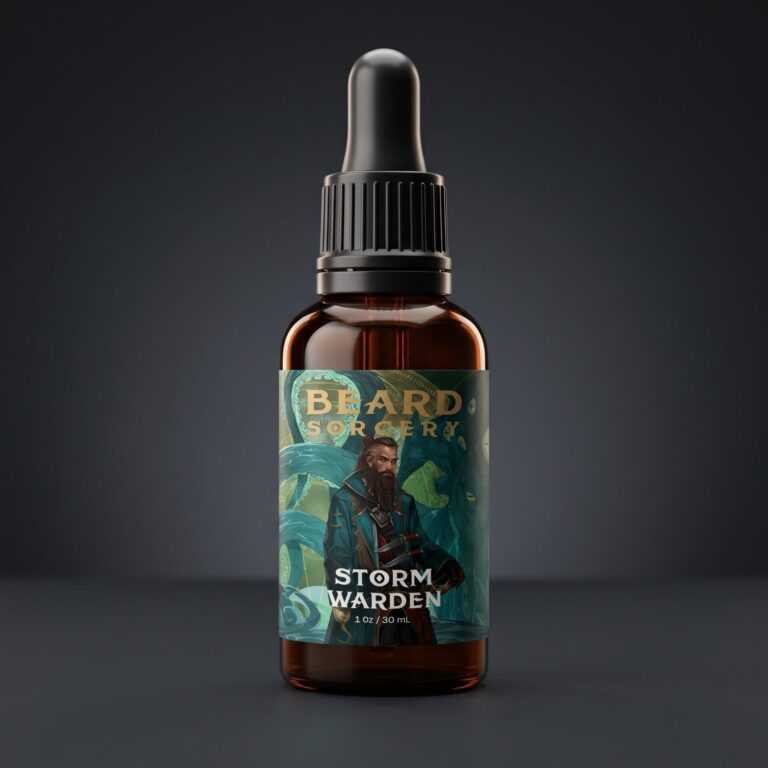
Calling all collectors and dreamers! The new Collector’s Edition box has arrived, and it’s a masterpiece of magic, nostalgia, and excitement. Featuring the Storm Warden, this edition captures the epic struggle between the legendary sailor and the mighty kraken, with every detail crafted to perfection. Whether you're a seasoned collector or just starting out, this release will make your collection shine like never before. It’s more than a box—it’s a celebration of artistry and storytelling, ready to take center stage in your display.
But that’s not all! The exclusive Dark Sorcerer edition, which embodies all the sorcerer’s draconic magic in its intricate design, is still available—for now. This is your final chance to own the edition that started it all, a true piece of history that launched this legendary series. Complete your collection with both the Storm Warden and the Dark Sorcerer editions, and let your display become the envy of collectors everywhere. Don’t wait—treasures like these won’t last long!
Beard Sorcery
Scent tells a story — whispered or boldly declared. Our scale runs from subtle and smooth to intensely powerful, so you can set the tone.