The Book of Beardcraft
The Divine Chin: Why the Pharaohs Wore False Beards
When we think of ancient Egypt, we picture towering pyramids, golden masks, and rulers carved in stone with long, narrow...
The Book of Beardcraft
When we think of ancient Egypt, we picture towering pyramids, golden masks, and rulers carved in stone with long, narrow...
When we think of ancient Egypt, we picture towering pyramids, golden masks, and rulers carved in stone with long, narrow beards extending from their chins. But here is the surprising truth. Most Ph…
 matt
6 months ago
matt
6 months ago
When we think of ancient Egypt, we picture towering pyramids, golden masks, and rulers carved in stone with long, narrow beards extending from their chins. But here is the surprising truth. Most Pharaohs did not naturally grow those beards.
What you see in statues and carvings is often a ceremonial false beard. It was not about fashion. It was about divinity, authority, and aligning oneself with the gods. The beard was not facial hair. It was a declaration.
Let us explore why the rulers of Egypt chose to strap on sacred chin armor.
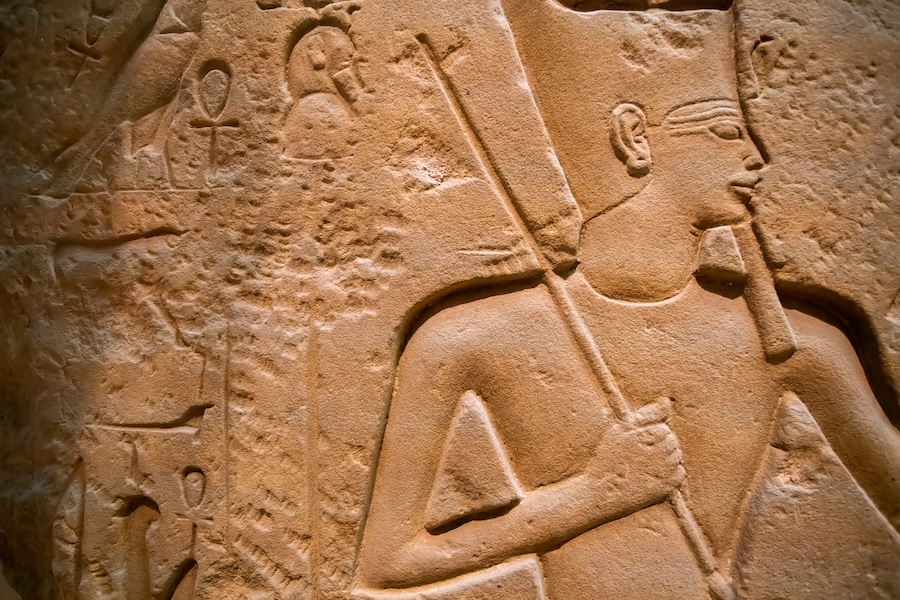
In ancient Egyptian culture, the beard was strongly associated with the gods, particularly Osiris, the god of the afterlife and rebirth. Osiris was often depicted with a long, stylized beard that curved slightly upward at the tip. This curved shape became a symbol of divine status.
Pharaohs, who were considered living gods on earth, wore false beards during ceremonies and official representations to visually align themselves with the divine realm. By wearing the beard of the gods, they were not simply rulers. They were intermediaries between heaven and earth.
The beard was theology made visible.
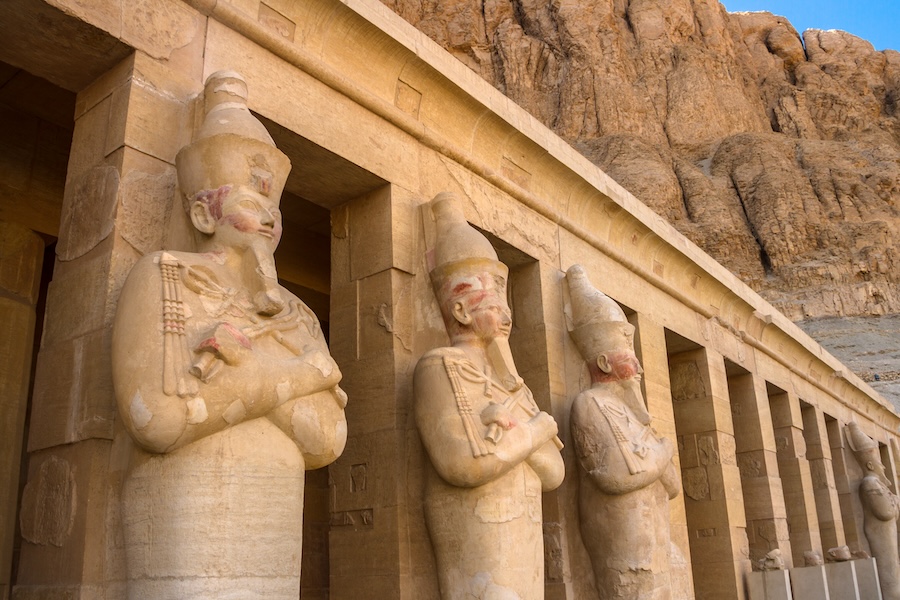
One of the most fascinating examples of the false beard tradition comes from Hatshepsut, a female Pharaoh who ruled in the 15th century BCE. In statues and reliefs, she is often shown wearing the same ceremonial beard as her male predecessors.
This was not an attempt to disguise her identity. It was a statement of office. The beard symbolized kingship itself, not masculinity. By wearing it, she stepped fully into the sacred role of Pharaoh.
The divine chin did not belong to men. It belonged to the throne.
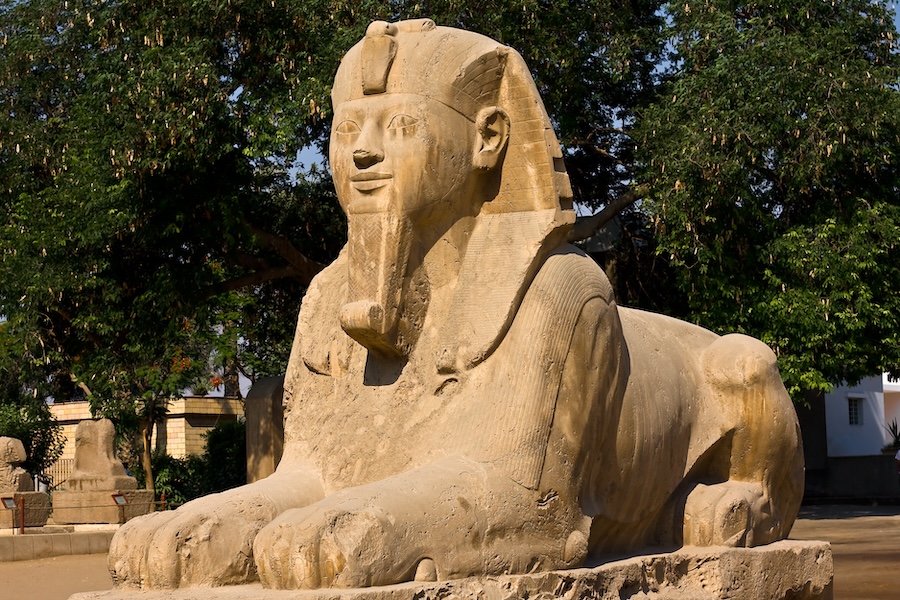
There is also a distinction in how the beards were shaped. Gods were often depicted with longer, more exaggerated curved beards, while living Pharaohs wore straighter ceremonial versions. After death, a Pharaoh might be shown with the curved beard of Osiris, symbolizing their transition into divine immortality.
This visual language communicated status without words. A straight beard spoke of earthly rule. A curved beard spoke of eternal life.
In this way, the beard became a bridge between life and the afterlife.
The false beards of the Pharaohs were not vanity pieces. They were sacred regalia. They signaled divine authority, legitimized rule, and connected the wearer to cosmic order and eternal life.
Across history, beards have carried meaning far deeper than style. For the rulers of Egypt, the beard was not grown. It was earned.
Level Up
Stop leaving loot on the table. Join the Guild today to start your journey toward exclusive discounts and free potions!
Adventurer’s Welcome
Two d8s decide your discount. New customers and SMS subscribers each add a d4.
4-24% off
Every roll pays 4-24% off. Two dice to start, and up to two more you can earn.Takes 10 seconds · Your code is good for 14 days
What sorcery do you seek?
Search potions, kits, characters, or articles from the Book of Beardcraft.
In our quest to bring our enchanting formulas to a global audience, we embarked on an imaginative journey to reshape our products. Shipping hemp products internationally brought with it a labyrinth of restrictions, prompting us to craft a new blend without compromising the soul of our creations. By excluding hemp ingredients, we opened the possibility for rainbows and scents to travel unfettered across borders. The heart of our brand persists, filled with intoxicating aromas and enchanting blends that enhance experiences universally. Thus, the beloved character of our products remains vibrantly intact, ready to tantalize senses worldwide.
Throughout this reformulation, we also seized the opportunity to make our products more hypoallergenic by removing nut oils. This thoughtful alteration broadens the accessibility of our line, welcoming even those with nut sensitivities. Our choice to incorporate rosehip and safflower oil was no whimsical endeavor; these oils are famed for their enchanting properties. Rosehip oil, rich in vitamins and antioxidants, fosters the skin's radiance and charm, while safflower oil, revered for its lightweight, non-comedogenic nature, ensures a gentle, soothing touch. Together, they promise an experience as authentic as it is revitalizing, draped in warmth and genuine care.
Calling all collectors and dreamers! The new Collector’s Edition box has arrived, and it’s a masterpiece of magic, nostalgia, and excitement. Featuring the Storm Warden, this edition captures the epic struggle between the legendary sailor and the mighty kraken, with every detail crafted to perfection. Whether you're a seasoned collector or just starting out, this release will make your collection shine like never before. It’s more than a box—it’s a celebration of artistry and storytelling, ready to take center stage in your display.
But that’s not all! The exclusive Dark Sorcerer edition, which embodies all the sorcerer’s draconic magic in its intricate design, is still available—for now. This is your final chance to own the edition that started it all, a true piece of history that launched this legendary series. Complete your collection with both the Storm Warden and the Dark Sorcerer editions, and let your display become the envy of collectors everywhere. Don’t wait—treasures like these won’t last long!
Beard Sorcery
Scent tells a story — whispered or boldly declared. Our scale runs from subtle and smooth to intensely powerful, so you can set the tone.