The Book of Beardcraft
The Beardstache: How to Grow and Style the Perfect Mustache-Beard Combo
The beardstache might just be the most rugged beard style a man can wear. Sure, there are longer, fuller beards and neat...
The Book of Beardcraft
The beardstache might just be the most rugged beard style a man can wear. Sure, there are longer, fuller beards and neat...
The beardstache might just be the most rugged beard style a man can wear. Sure, there are longer, fuller beards and neatly sculpted styles that sharpen your jawline — but nothing matches the beards…
 matt
8 months ago
matt
8 months ago
The beardstache might just be the most rugged beard style a man can wear. Sure, there are longer, fuller beards and neatly sculpted styles that sharpen your jawline — but nothing matches the beardstache’s mix of rough stubble and a thick, powerful mustache.
It’s masculine without trying too hard. And considering how much women already love stubble, the beardstache is simply the next evolution. Just look at the Henry Cavill beardstache in Mission: Impossible – Fallout. That thick mustache and short beard combo turns a clean-cut Brit into a man who looks like he gets sh*t done — the kind of soldier who’d look right at home in a WWII film.
Ready to try it yourself? This guide covers everything: how to grow a beardstache properly, the ideal beardstache length, which face shapes it suits, and how to keep it sharp without losing its rugged edge.

So, what exactly is a beardstache? Aren’t all beards a combination of a mustache and beard (except maybe the chin-strap beard)? What defines the beardstache is the presence of a short beard with a thicker mustache.
There are two key features:
That’s the beardstache in a nutshell. It’s part rugged stubble, part refined mustache. A style that looks just as good in the boardroom as it does on a windswept mountainside. It’s the modern man’s answer to traditional masculinity: low maintenance, confident, and unapologetically bold.
Read More: 12 Best Mustache Styles for 2025

The beardstache isn’t for a lot of men. If you like a clean-cut, well-ordered appearance, then this beard’s rugged aesthetic won’t fit. Instead, it’s for the confident men who want a low-maintenance beard with a heavy streak of the rebellious.
In terms of face shape, the beardstache suits square and round faces. For the square face, it balances the strong jawline so long as you keep it short on the sides, whereas it adds some sharper lines on a rounder face, giving it some much-needed definition.
Pair the beardstache with either a bald head or combined back (slightly tousled) hair. No long hair or unusual styles. It undercuts the ruggedness of the beard.
Most of the beardstache’s uniqueness comes down to its length. The ideal length for the mustache beard is:
The trick is to create contrast between the mustache and beard. If they’re too similar in length, it just looks like a short beard. You’re probably going to want to trim your beard every 3-4 days, depending on your growth speed. Meanwhile, the ‘stache can be scheduled for a weekly maintenance session.
The beardstache is a family of weathered manly beards all based on the same principle. Surprisingly, there’s quite a lot you can do with the combination of rough stubble and thick mustache.
Try out these ideas:
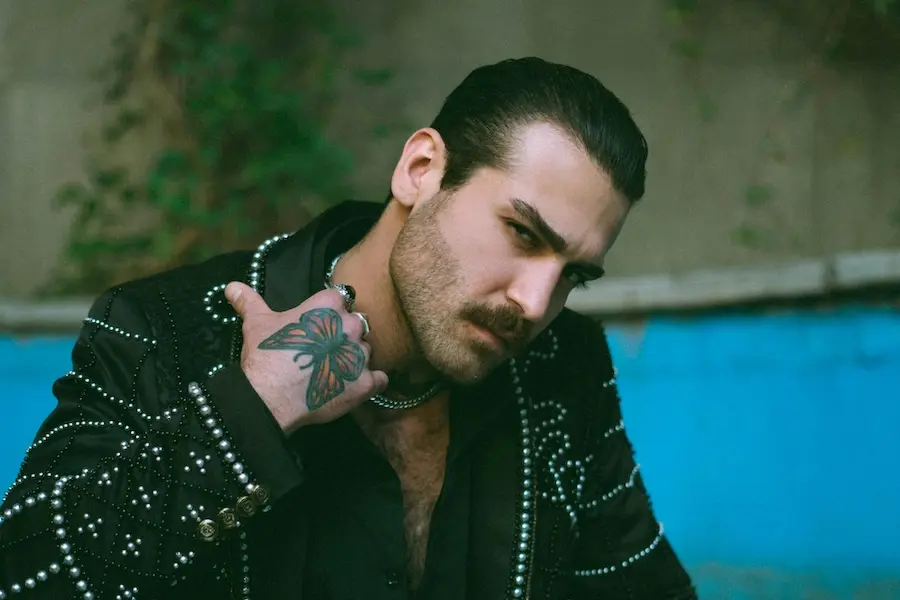
The original version: a dense, natural mustache paired with short, even stubble around 3–5 mm. It’s the perfect midpoint between polished and rugged — enough contrast to define the mustache, but still cohesive. Easy to maintain and universally flattering, this is the go-to starting point for most men.

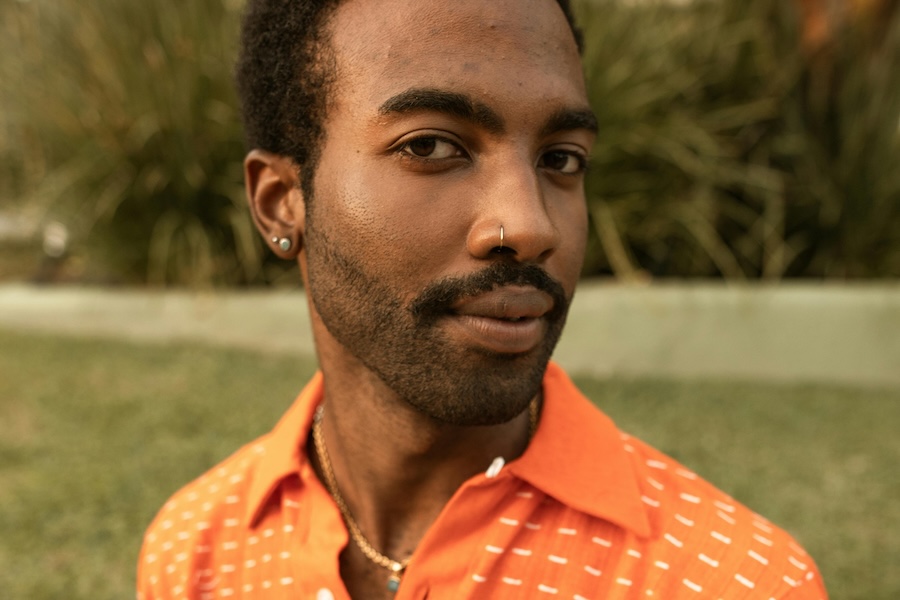
A fuller, more dramatic take with a thick, grown-out mustache (10–12 mm) and a short beard around 8–10 mm. This version leans heroic — think Henry Cavill or old-school explorers. It needs regular shaping around the mouth and chin to avoid drifting into full-beard territory, but rewards patience with raw masculine presence.
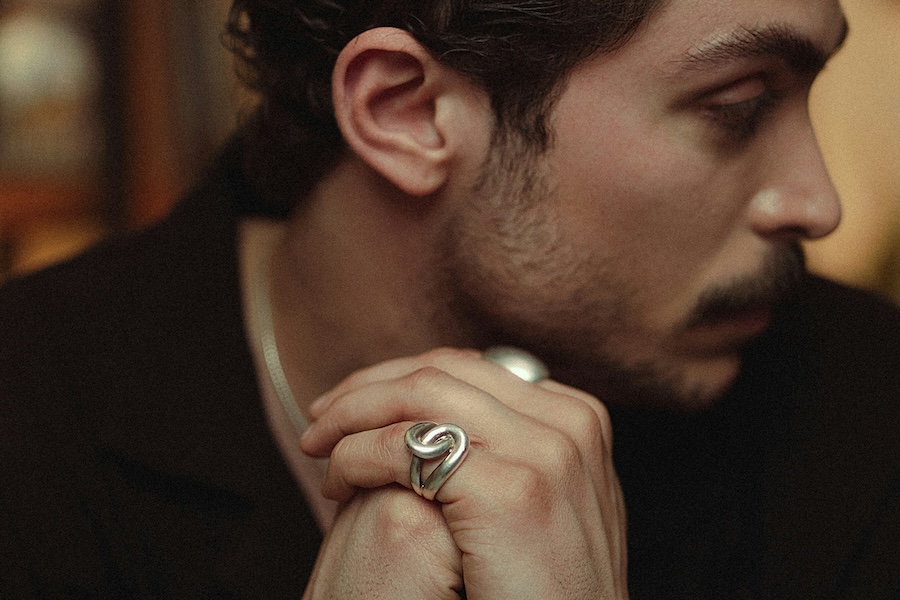
A cleaner, more structured variant where the stubble tapers smoothly up the cheeks and sideburns. The mustache remains untouched and bold, while the fade gives a contemporary, barbered finish. It’s the ideal choice for men who want a beardstache that looks deliberate rather than accidental.

A low-maintenance, naturally grown version with a slightly uneven mustache and unrefined stubble. The goal here isn’t perfection — it’s texture and authenticity. Perfect for men with strong features and a casual style, the scruffy beardstache gives that “didn’t try, still nailed it” look.

A bold twist combining a styled, curled mustache with short, neat stubble. The shape draws all attention upward, emphasizing the mustache as an intentional statement piece. It’s old-world flair meets modern masculinity. Perfect if you like standing out without going full eccentric.

What separates a great beardstache from a week of not shaving? It’s not length; it’s balance. You want your mustache to stand proud while the beard stays short, sharp, and controlled. You can grow the base in just a few weeks. But it takes a little more finesse to master the contrast.
When you’ve got a few weeks of solid stubble and a thickening mustache, it’s time to shape it into form.
Here’s how.
What You’ll Need:
What To Do:
Try out different lengths and options until you find the ratio that fits your face best. With the right trimmer, you can just adjust the guard accordingly, meaning trimming up your beardstache takes all of 5 minutes.
The golden rule? Never trim the mustache too short — once it’s gone, so is the whole look. Instead, take your time and enjoy the process.
If you want your beardstache to look intentional and not like a “forgot to shave” accident, you’ll need the right grooming gear. Beard Sorcery’s oils, balms, and mustache essentials are built to keep the stubble sharp, the ‘stache soft, and the whole look balanced.

Your next read
The mustache is back! After a long time lost in the wilderness, the mustache is no longer exclusive with the creepy rogue down your local tavern. But with so long off the facial h…
Continue the adventure
Level Up
Stop leaving loot on the table. Join the Guild today to start your journey toward exclusive discounts and free potions!
Adventurer’s Welcome
Two d8s decide your discount. New customers and SMS subscribers each add a d4.
4-24% off
Every roll pays 4-24% off. Two dice to start, and up to two more you can earn.Takes 10 seconds · Your code is good for 14 days
What sorcery do you seek?
Search potions, kits, characters, or articles from the Book of Beardcraft.
In our quest to bring our enchanting formulas to a global audience, we embarked on an imaginative journey to reshape our products. Shipping hemp products internationally brought with it a labyrinth of restrictions, prompting us to craft a new blend without compromising the soul of our creations. By excluding hemp ingredients, we opened the possibility for rainbows and scents to travel unfettered across borders. The heart of our brand persists, filled with intoxicating aromas and enchanting blends that enhance experiences universally. Thus, the beloved character of our products remains vibrantly intact, ready to tantalize senses worldwide.
Throughout this reformulation, we also seized the opportunity to make our products more hypoallergenic by removing nut oils. This thoughtful alteration broadens the accessibility of our line, welcoming even those with nut sensitivities. Our choice to incorporate rosehip and safflower oil was no whimsical endeavor; these oils are famed for their enchanting properties. Rosehip oil, rich in vitamins and antioxidants, fosters the skin's radiance and charm, while safflower oil, revered for its lightweight, non-comedogenic nature, ensures a gentle, soothing touch. Together, they promise an experience as authentic as it is revitalizing, draped in warmth and genuine care.
Calling all collectors and dreamers! The new Collector’s Edition box has arrived, and it’s a masterpiece of magic, nostalgia, and excitement. Featuring the Storm Warden, this edition captures the epic struggle between the legendary sailor and the mighty kraken, with every detail crafted to perfection. Whether you're a seasoned collector or just starting out, this release will make your collection shine like never before. It’s more than a box—it’s a celebration of artistry and storytelling, ready to take center stage in your display.
But that’s not all! The exclusive Dark Sorcerer edition, which embodies all the sorcerer’s draconic magic in its intricate design, is still available—for now. This is your final chance to own the edition that started it all, a true piece of history that launched this legendary series. Complete your collection with both the Storm Warden and the Dark Sorcerer editions, and let your display become the envy of collectors everywhere. Don’t wait—treasures like these won’t last long!
Beard Sorcery
Scent tells a story — whispered or boldly declared. Our scale runs from subtle and smooth to intensely powerful, so you can set the tone.