The Book of Beardcraft
Sideburn Styles for Men: How to Trim andShape Them Properly
Sideburns don’t get the attention they deserve. We talk about beards and mustaches — even the soul patch gets a mention....
The Book of Beardcraft
Sideburns don’t get the attention they deserve. We talk about beards and mustaches — even the soul patch gets a mention....
Sideburns don’t get the attention they deserve. We talk about beards and mustaches — even the soul patch gets a mention. But sideburns are overlooked. Yet, it’s these bushy bits of hair that connec…
 matt
8 months ago
matt
8 months ago
Sideburns don’t get the attention they deserve. We talk about beards and mustaches — even the soul patch gets a mention. But sideburns are overlooked. Yet, it’s these bushy bits of hair that connect your beard to your hair, framing your entire face.
Instead of ignoring them, embrace them. Think of them as the bridge between your haircut, beard, and jawline. That doesn’t mean you have to go full Wolverine like some 19th-century butcher. Just giving them a little bit of thought can make an outsized difference.
Here’s a practical guide to trimming, grooming, and styling your sideburns.

Let’s start with the basics. The sideburns are the parts of your hair that connect your scalp hair to the beard on your chin. At their core, they come down to a few defining elements:
They might be small, but they’re not trivial. If they’re thin and wispy, your beard looks stranded on your chin. But too wild and woolly, and they attract too much attention for their own good. They’re the detail that separates “I got a haircut” from “I look sharp today.”

Almost every era gave sideburns a place. Only ours ignores them. They’ve been worn by soldiers, rockstars, politicians, and every bloke who’s ever wanted a cleaner, stronger-looking profile. In fact, during the 19th century, it became immensely popular. Everyone from the German Emperor, Wilhelm I, to U.S. General Ambrose Burnside sported immense sideburns (the latter giving his name to the style).
But what are the different styles? Try these out:
Short sideburns sit just above the ear and give you that neat, everyday look. They’re great if you want something low-maintenance that always looks intentional. Perfect for office cuts, faded sides, or anyone who hates fuss.
These hit around mid-ear and work with pretty much any haircut. If you’ve got stubble or a short beard, medium burns help everything blend without looking too sharp or too soft. They’re the safe, reliable option that suits most faces.
Longer sideburns sit below the ear and lean into a more relaxed, slightly retro vibe. They work best with medium or longer hair, where they can balance out the extra length. Great if you want a bit more personality without going full Elvis.
A tapered sideburn starts fuller at the top and gradually narrows as it hits the ear. It’s the cleanest option for modern fades because it keeps everything flowing without harsh lines. Think of it as the “smooth transition” sideburn.
This is where you cut the bottom straight across so it forms a crisp, squared-off edge. It gives your face a stronger, more structured finish, especially if you’ve got thick hair. Barbers love this one because it looks sharp instantly.
Rounded sideburns soften the face and avoid any hard right angles. They’re subtle, tidy, and ideal if you like a more natural-looking finish. Good for guys with angular features who want something gentler.
Not Victorian theatre-level chops — the modern version is far more toned down. They’re fuller and extend lower along the jaw, pairing well with medium or long hair. When kept tight and groomed, they look bold without tipping into costume territory.
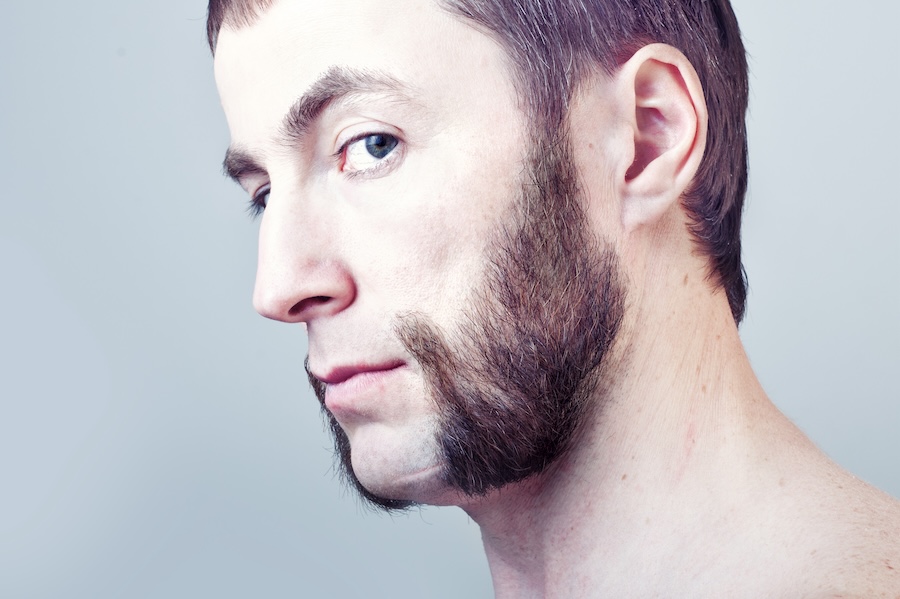
Sideburns don’t require circus-level upkeep. Unless you’re determined to become renowned for your sideburns — a latter-day mutton chop messiah — sideburns don’t require as much attention as your beard.
Just a little attention adds that quiet, roguish confidence. Think old-school movie star or musician. More “guy sketching in a café window” than “strict military sergeant.”
What You’ll Need:
What To Do:

Sideburns aren’t for everyone. Well, they are — but prominent sideburns are only for a few groups. As a rule, your sideburns should offset the worst aspects of your face. So, if you’ve got a square face, rounded, medium taper sideburns soften the jaw; similar to rectangular faces, although keep your sideburns slightly shorter here.
For round faces, long sideburns elongate the face, whereas for diamond or triangle faces, medium sideburns widen the face. Anyone with an oval face is in luck; pretty much anything goes.
Don’t base your haircut around your sideburns — it should always be the other way around. Generally, the longer your hair, the longer your sideburns. For shorter haircuts, avoid blocky shapes: go for short, tapered sideburns. Then, as your hair gets longer, your sideburns can as well.
Sideburns don’t get much glory, but when they’re neat, soft, and shaped properly, the whole face looks better.
If you want them to behave — whether you wear them short, tapered, or a bit longer — a good balm or oil goes a long way. Ours are simple, natural, and designed to keep the hair sitting where it should without turning stiff or shiny.
Have a look at the Beard Sorcery range and pick up what you need. A little maintenance goes a long way, and your sideburns will thank you for it.
Read Next:
Level Up
Stop leaving loot on the table. Join the Guild today to start your journey toward exclusive discounts and free potions!
Adventurer’s Welcome
Two d8s decide your discount. New customers and SMS subscribers each add a d4.
4-24% off
Every roll pays 4-24% off. Two dice to start, and up to two more you can earn.Takes 10 seconds · Your code is good for 14 days
What sorcery do you seek?
Search potions, kits, characters, or articles from the Book of Beardcraft.
In our quest to bring our enchanting formulas to a global audience, we embarked on an imaginative journey to reshape our products. Shipping hemp products internationally brought with it a labyrinth of restrictions, prompting us to craft a new blend without compromising the soul of our creations. By excluding hemp ingredients, we opened the possibility for rainbows and scents to travel unfettered across borders. The heart of our brand persists, filled with intoxicating aromas and enchanting blends that enhance experiences universally. Thus, the beloved character of our products remains vibrantly intact, ready to tantalize senses worldwide.
Throughout this reformulation, we also seized the opportunity to make our products more hypoallergenic by removing nut oils. This thoughtful alteration broadens the accessibility of our line, welcoming even those with nut sensitivities. Our choice to incorporate rosehip and safflower oil was no whimsical endeavor; these oils are famed for their enchanting properties. Rosehip oil, rich in vitamins and antioxidants, fosters the skin's radiance and charm, while safflower oil, revered for its lightweight, non-comedogenic nature, ensures a gentle, soothing touch. Together, they promise an experience as authentic as it is revitalizing, draped in warmth and genuine care.
Calling all collectors and dreamers! The new Collector’s Edition box has arrived, and it’s a masterpiece of magic, nostalgia, and excitement. Featuring the Storm Warden, this edition captures the epic struggle between the legendary sailor and the mighty kraken, with every detail crafted to perfection. Whether you're a seasoned collector or just starting out, this release will make your collection shine like never before. It’s more than a box—it’s a celebration of artistry and storytelling, ready to take center stage in your display.
But that’s not all! The exclusive Dark Sorcerer edition, which embodies all the sorcerer’s draconic magic in its intricate design, is still available—for now. This is your final chance to own the edition that started it all, a true piece of history that launched this legendary series. Complete your collection with both the Storm Warden and the Dark Sorcerer editions, and let your display become the envy of collectors everywhere. Don’t wait—treasures like these won’t last long!
Beard Sorcery
Scent tells a story — whispered or boldly declared. Our scale runs from subtle and smooth to intensely powerful, so you can set the tone.