The Book of Beardcraft
From Full Beard to Standalone Mustache
At some point in a beardsman’s journey, the idea appears. What would it look like to lose the beard and keep only the mu...
The Book of Beardcraft
At some point in a beardsman’s journey, the idea appears. What would it look like to lose the beard and keep only the mu...
At some point in a beardsman’s journey, the idea appears. What would it look like to lose the beard and keep only the mustache? The standalone mustache has a long history, from frontier lawmen to c…
 matt
5 months ago
matt
5 months ago
At some point in a beardsman’s journey, the idea appears. What would it look like to lose the beard and keep only the mustache? The standalone mustache has a long history, from frontier lawmen to classic Hollywood icons. When done right, it is bold, confident, and distinctive.
The problem is that the transition from a full beard to a mustache can feel risky. Removing months of growth in a single trim is a big step, and not every mustache style works with every face shape. With a little planning and the right approach, you can make the change smoothly and land on a mustache that suits you.
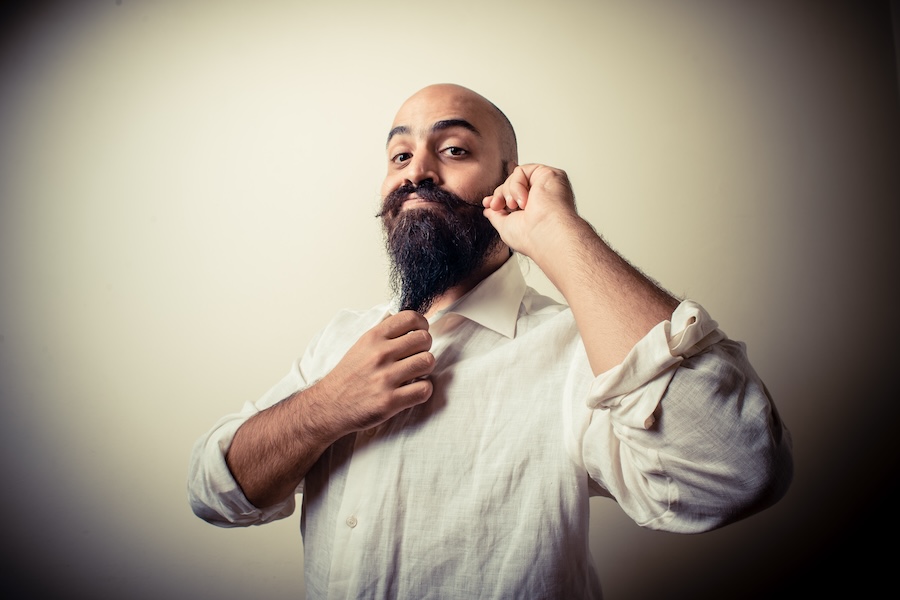
Before removing the beard, make sure the mustache itself is ready to stand on its own.
A strong mustache should have good density across the upper lip and enough length to shape. If your mustache grows thinner than the rest of your beard, it may need extra time to fill in before becoming the centerpiece.
Let the mustache grow slightly longer than you think you need before shaving the beard. This gives you room to shape and style it once the beard is gone.
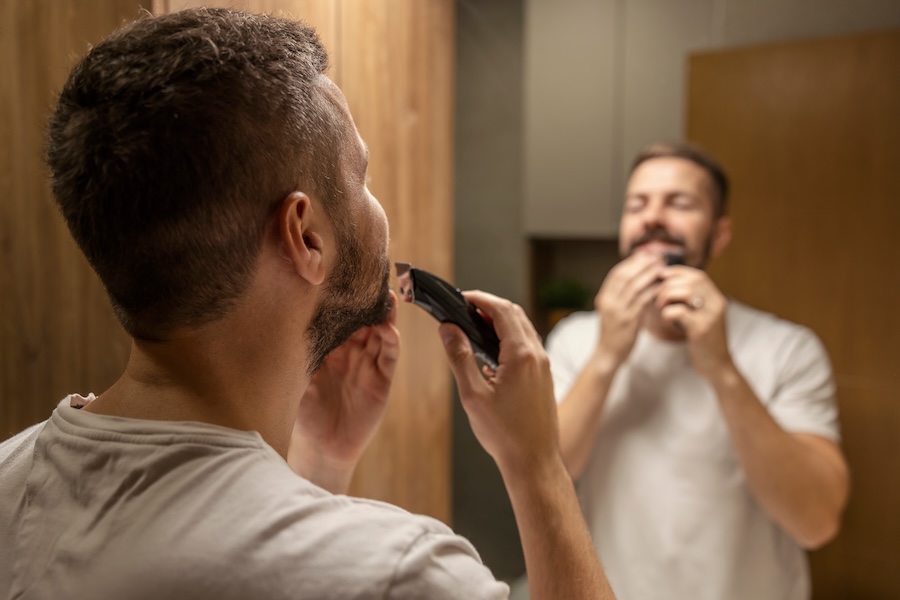
Going directly from a full beard to a bare face with only a mustache can feel like a shock. A gradual transition helps you adjust to the new look.
Start by shortening the beard significantly while leaving the mustache full. This creates a heavy mustache with light stubble around it. From there, trim the beard down to stubble or a short beard before finally shaving it away completely.
This step-by-step approach lets you see how the mustache looks at each stage and makes the change feel more intentional.

Different face shapes tend to suit different mustache styles.
Men with oval faces can usually pull off almost any mustache style because their proportions are naturally balanced. Square faces often look great with fuller mustaches that emphasize the strong jawline.
If you have a longer or narrower face, a thicker mustache with some horizontal width can help balance your proportions. On rounder faces, a slightly more structured or trimmed mustache can keep the look from becoming too heavy.
The goal is to use the mustache to complement your natural facial structure rather than fight against it.

Once the beard is gone, the mustache becomes the main focal point of your face.
Clean up the edges along the upper lip and remove stray hairs that grow too far downward. Depending on your style, you may want to trim the mustache so it just touches the lip or allow it to grow longer and sweep to the sides.
A small amount of mustache wax can help guide the hairs and keep the style looking deliberate instead of unruly.

A standalone mustache can feel dramatically different if you have worn a beard for a long time.
It may take a few days to get used to seeing your face without the beard. During this adjustment period, focus on maintaining the mustache and keeping the rest of the face clean and well groomed.
Sometimes the mustache grows on you quickly. Other times you may decide that the full beard was the better look. Either way, trying the mustache is part of the beardcraft journey.
Transitioning from a full beard to a standalone mustache is a bold change, but it can be a rewarding one when done thoughtfully. By ensuring your mustache is strong enough, transitioning gradually, and choosing a style that fits your face shape, you give yourself the best chance of pulling off the look successfully.
And if the mustache experiment does not stick, remember that the beard can always grow back. In the world of beardcraft, every style is just another chapter in the journey.

Your next read
One of the easiest traps in beard grooming is believing your beard has to be “finished” before you can feel confident wearing it. Maybe you’re waiting for a patch to fill in. Maybe you’re hoping fo,,,
Continue the adventure
Level Up
Stop leaving loot on the table. Join the Guild today to start your journey toward exclusive discounts and free potions!
Adventurer’s Welcome
Two d8s decide your discount. New customers and SMS subscribers each add a d4.
4-24% off
Every roll pays 4-24% off. Two dice to start, and up to two more you can earn.Takes 10 seconds · Your code is good for 14 days
What sorcery do you seek?
Search potions, kits, characters, or articles from the Book of Beardcraft.
In our quest to bring our enchanting formulas to a global audience, we embarked on an imaginative journey to reshape our products. Shipping hemp products internationally brought with it a labyrinth of restrictions, prompting us to craft a new blend without compromising the soul of our creations. By excluding hemp ingredients, we opened the possibility for rainbows and scents to travel unfettered across borders. The heart of our brand persists, filled with intoxicating aromas and enchanting blends that enhance experiences universally. Thus, the beloved character of our products remains vibrantly intact, ready to tantalize senses worldwide.
Throughout this reformulation, we also seized the opportunity to make our products more hypoallergenic by removing nut oils. This thoughtful alteration broadens the accessibility of our line, welcoming even those with nut sensitivities. Our choice to incorporate rosehip and safflower oil was no whimsical endeavor; these oils are famed for their enchanting properties. Rosehip oil, rich in vitamins and antioxidants, fosters the skin's radiance and charm, while safflower oil, revered for its lightweight, non-comedogenic nature, ensures a gentle, soothing touch. Together, they promise an experience as authentic as it is revitalizing, draped in warmth and genuine care.
Calling all collectors and dreamers! The new Collector’s Edition box has arrived, and it’s a masterpiece of magic, nostalgia, and excitement. Featuring the Storm Warden, this edition captures the epic struggle between the legendary sailor and the mighty kraken, with every detail crafted to perfection. Whether you're a seasoned collector or just starting out, this release will make your collection shine like never before. It’s more than a box—it’s a celebration of artistry and storytelling, ready to take center stage in your display.
But that’s not all! The exclusive Dark Sorcerer edition, which embodies all the sorcerer’s draconic magic in its intricate design, is still available—for now. This is your final chance to own the edition that started it all, a true piece of history that launched this legendary series. Complete your collection with both the Storm Warden and the Dark Sorcerer editions, and let your display become the envy of collectors everywhere. Don’t wait—treasures like these won’t last long!
Beard Sorcery
Scent tells a story — whispered or boldly declared. Our scale runs from subtle and smooth to intensely powerful, so you can set the tone.