The Book of Beardcraft
European Folklore & Beard Myths
Long before grooming routines and personal branding, beards carried meaning. Across cultures and centuries, they appeare...
The Book of Beardcraft
Long before grooming routines and personal branding, beards carried meaning. Across cultures and centuries, they appeare...
Long before grooming routines and personal branding, beards carried meaning. Across cultures and centuries, they appeared in stories not as fashion choices, but as symbols. A beard could mark a man…
 matt
7 months ago
matt
7 months ago
Long before grooming routines and personal branding, beards carried meaning. Across cultures and centuries, they appeared in stories not as fashion choices, but as symbols. A beard could mark a man’s strength, his wisdom, his status, or his connection to something older than written history.
Folklore has always used the beard as shorthand. A full beard meant experience. A damaged beard meant dishonor. An untouched beard hinted at knowledge gained over years, not days. These ideas formed long before modern borders, yet they appear again and again in legends from distant parts of the world.
What follows is not history in the academic sense, but something older and more human. These are the stories people told to explain what a beard represented, and why it mattered.
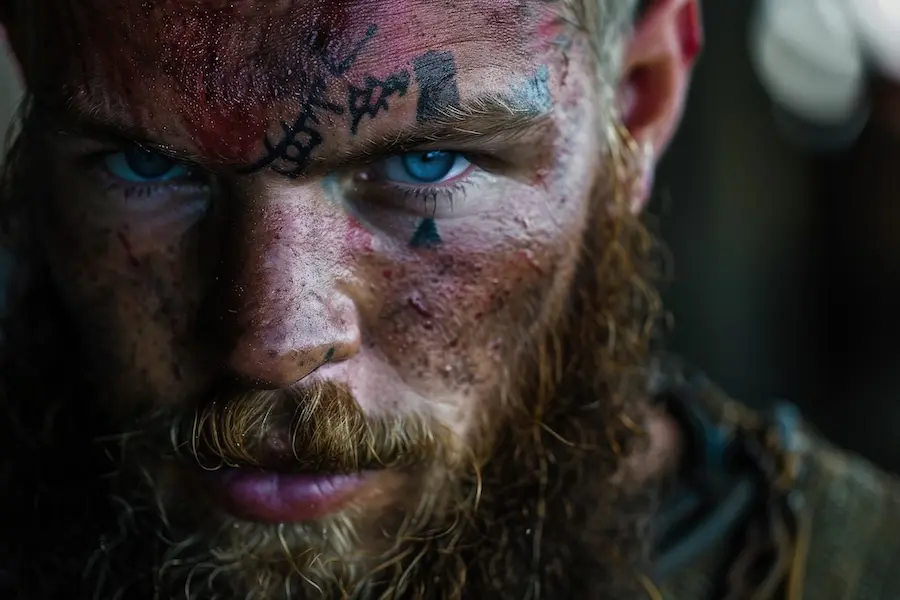
In Norse folklore, a man’s beard was closely tied to his reputation. A full, well-kept beard symbolized strength, maturity, and readiness for battle, while a poorly kept one suggested weakness or shame. Warriors were often described by the state of their beards in sagas, and insults toward a man’s beard were taken as serious slights.
Beards weren’t just about appearance. They were social signals. A beard showed you had earned your place among men, and losing it through mockery or punishment was considered deeply humiliating. In Viking storytelling, to touch another man’s beard without permission was a provocation that could spark violence.
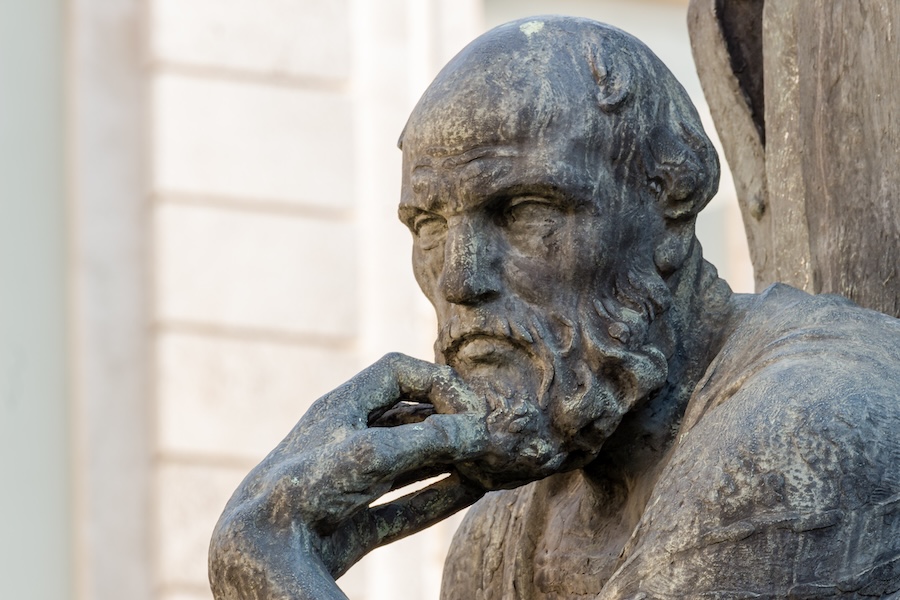
In Greek folklore and classical myth, beards were closely associated with philosophers, elders, and gods tied to wisdom and the natural order. A beard marked a man as thoughtful, experienced, and worthy of respect. To be beardless was to be young, untested, or incomplete.
Legends often describe great thinkers and divine figures with long, flowing beards to visually reinforce their authority. Cutting a man’s beard against his will was considered an act of dishonor, stripping away not just hair, but social standing. The beard was a visible signal of intellect and self-control.
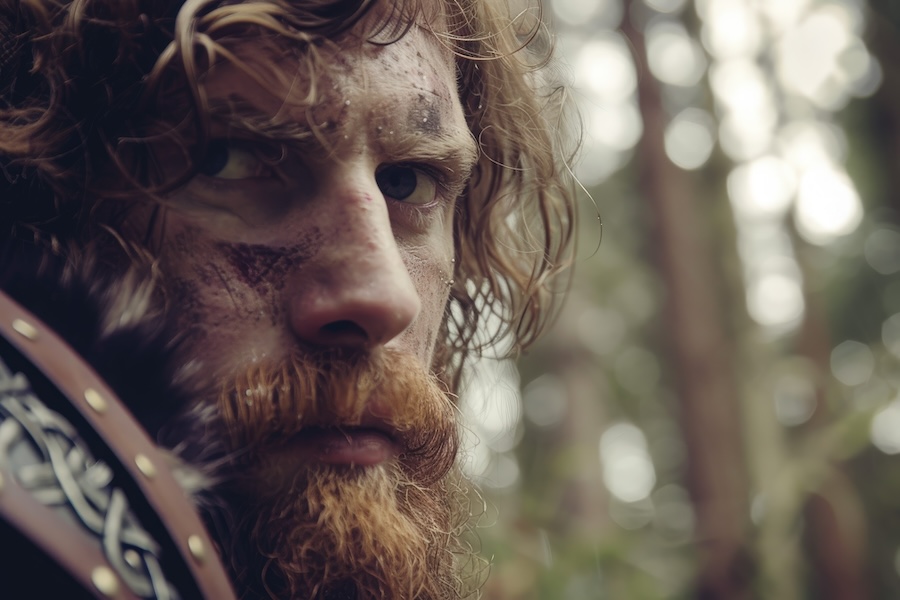
In Celtic folklore, beards were symbols of rank and trust. Chieftains, warriors, and judges were often described with distinct facial hair, and oaths sworn “by the beard” carried serious weight. To grasp your own beard while making a vow was believed to bind your honor to your word.
Stories warn that a broken oath sworn this way invited misfortune. The beard acted as a physical stand-in for a man’s integrity, something visible and personal that could not be separated from him. To betray such an oath was to invite shame that followed you for life.
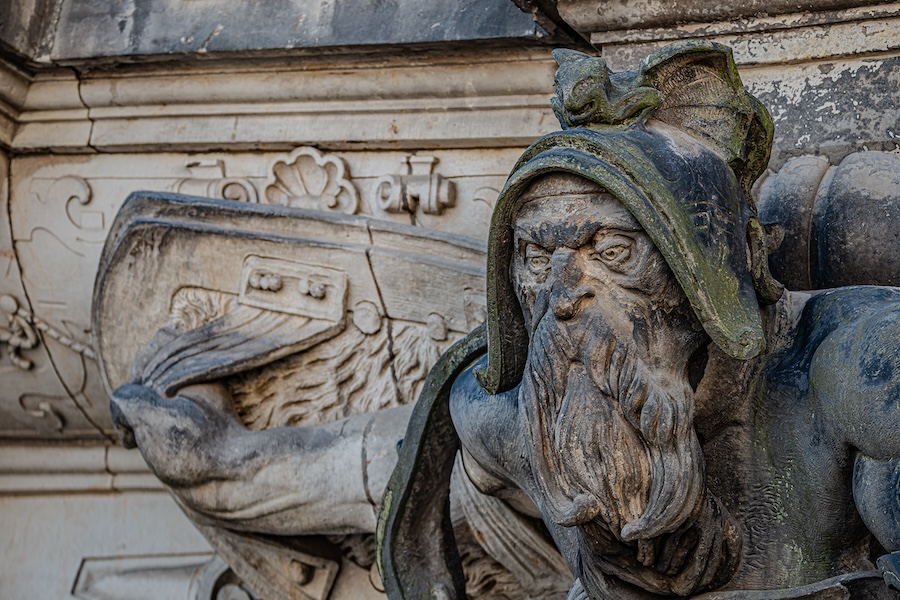
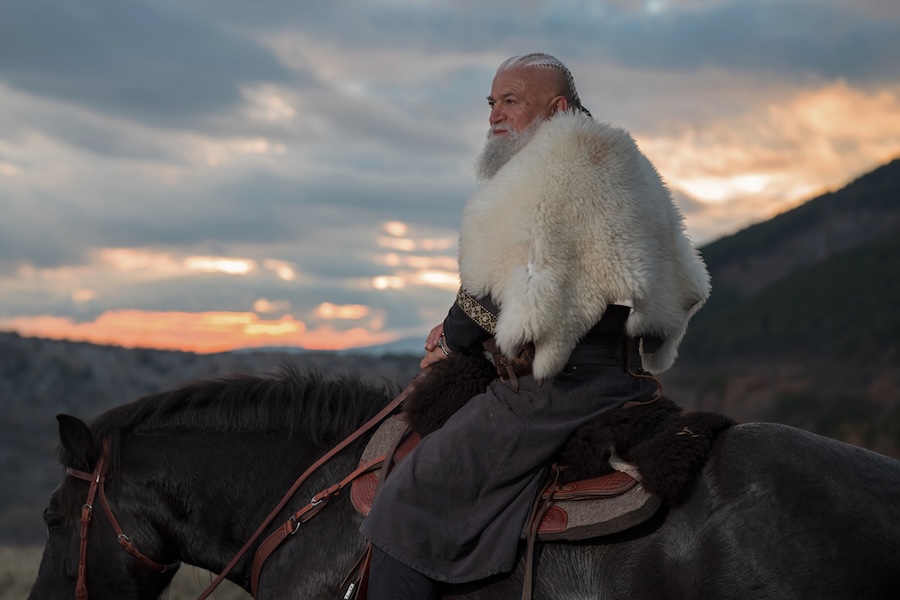
In Slavic and Eastern European folklore, beards often marked the boundary between the human and the supernatural. Wise elders, forest spirits, and wandering mystics were frequently depicted with long, untrimmed beards that signaled otherworldly knowledge.
These beards were said to grow with age and wisdom, sometimes possessing magical qualities. Cutting such a beard without consent was believed to strip the figure of their power or invite a curse. In these stories, the beard wasn’t just hair. It was a vessel for experience, memory, and unseen strength.
Folklore does not survive because it is accurate. It survives because it resonates. These stories endured because they reflected something people recognized in themselves. The beard became a symbol not because of superstition, but because it was visible, personal, and impossible to separate from the man who wore it.
Even now, the language of folklore lingers. We still associate beards with maturity, with strength earned over time, and with identity shaped by experience. The myths may have faded, but the symbolism remains.

Your next read
Almost every culture around the world has grown beards at some time or another. The Romans at the time of Caesar looked down on the beard as fashionable for barbarians. However, by the time of Empe…
Continue the adventure
Level Up
Stop leaving loot on the table. Join the Guild today to start your journey toward exclusive discounts and free potions!
Adventurer’s Welcome
Two d8s decide your discount. New customers and SMS subscribers each add a d4.
4-24% off
Every roll pays 4-24% off. Two dice to start, and up to two more you can earn.Takes 10 seconds · Your code is good for 14 days
What sorcery do you seek?
Search potions, kits, characters, or articles from the Book of Beardcraft.
In our quest to bring our enchanting formulas to a global audience, we embarked on an imaginative journey to reshape our products. Shipping hemp products internationally brought with it a labyrinth of restrictions, prompting us to craft a new blend without compromising the soul of our creations. By excluding hemp ingredients, we opened the possibility for rainbows and scents to travel unfettered across borders. The heart of our brand persists, filled with intoxicating aromas and enchanting blends that enhance experiences universally. Thus, the beloved character of our products remains vibrantly intact, ready to tantalize senses worldwide.
Throughout this reformulation, we also seized the opportunity to make our products more hypoallergenic by removing nut oils. This thoughtful alteration broadens the accessibility of our line, welcoming even those with nut sensitivities. Our choice to incorporate rosehip and safflower oil was no whimsical endeavor; these oils are famed for their enchanting properties. Rosehip oil, rich in vitamins and antioxidants, fosters the skin's radiance and charm, while safflower oil, revered for its lightweight, non-comedogenic nature, ensures a gentle, soothing touch. Together, they promise an experience as authentic as it is revitalizing, draped in warmth and genuine care.
Calling all collectors and dreamers! The new Collector’s Edition box has arrived, and it’s a masterpiece of magic, nostalgia, and excitement. Featuring the Storm Warden, this edition captures the epic struggle between the legendary sailor and the mighty kraken, with every detail crafted to perfection. Whether you're a seasoned collector or just starting out, this release will make your collection shine like never before. It’s more than a box—it’s a celebration of artistry and storytelling, ready to take center stage in your display.
But that’s not all! The exclusive Dark Sorcerer edition, which embodies all the sorcerer’s draconic magic in its intricate design, is still available—for now. This is your final chance to own the edition that started it all, a true piece of history that launched this legendary series. Complete your collection with both the Storm Warden and the Dark Sorcerer editions, and let your display become the envy of collectors everywhere. Don’t wait—treasures like these won’t last long!
Beard Sorcery
Scent tells a story — whispered or boldly declared. Our scale runs from subtle and smooth to intensely powerful, so you can set the tone.