The Book of Beardcraft
Beards and Confidence: How Facial Hair Affects Perception
Confidence is often treated as something internal, invisible, and separate from appearance. In reality, the two are clos...
The Book of Beardcraft
Confidence is often treated as something internal, invisible, and separate from appearance. In reality, the two are clos...
Confidence is often treated as something internal, invisible, and separate from appearance. In reality, the two are closely linked. How a man presents himself influences how he feels, and how he fe…
 matt
6 months ago
matt
6 months ago
Confidence is often treated as something internal, invisible, and separate from appearance. In reality, the two are closely linked. How a man presents himself influences how he feels, and how he feels influences how he is perceived. Facial hair sits directly at that intersection.
A beard does not speak, yet it communicates. It shapes first impressions, frames expressions, and subtly signals intention. Whether worn short or full, facial hair becomes part of how a man moves through the world, affecting both how others respond to him and how he responds to himself.
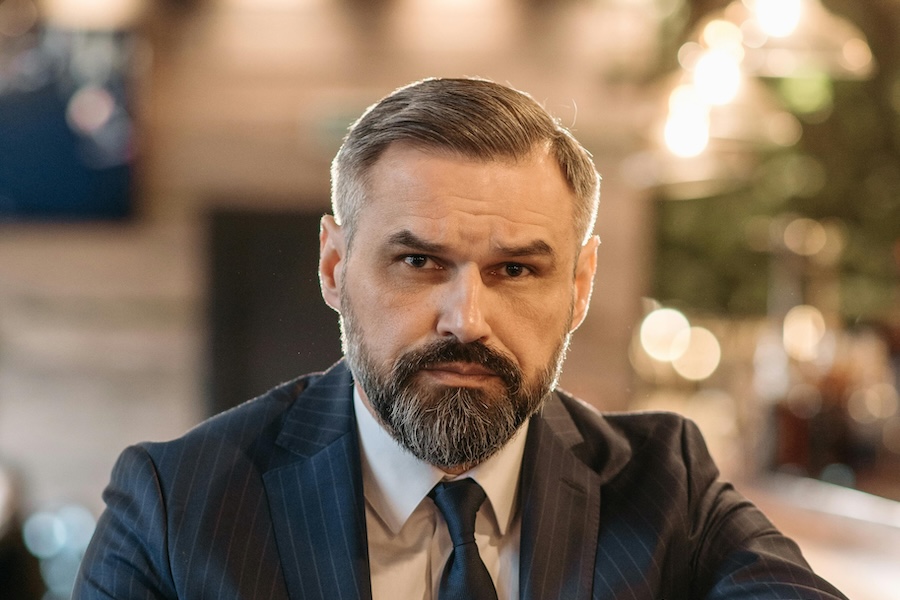
Across cultures, facial hair has long been associated with age, experience, and earned presence. A beard visually communicates that a man has lived long enough to grow into himself. Even in modern settings, bearded men are often perceived as more established and self-possessed, regardless of their actual age.
This perception does not come from the beard itself, but from what people subconsciously associate with it. A beard suggests time, patience, and development.

First impressions happen quickly, and facial hair plays a role in how they form. A beard adds contrast and structure to the face, drawing attention and creating a clearer silhouette. This can make a face more memorable and, in many cases, more commanding.
When someone stands out visually, they are more likely to be noticed and remembered. A well-kept beard can provide that distinction without saying a word.
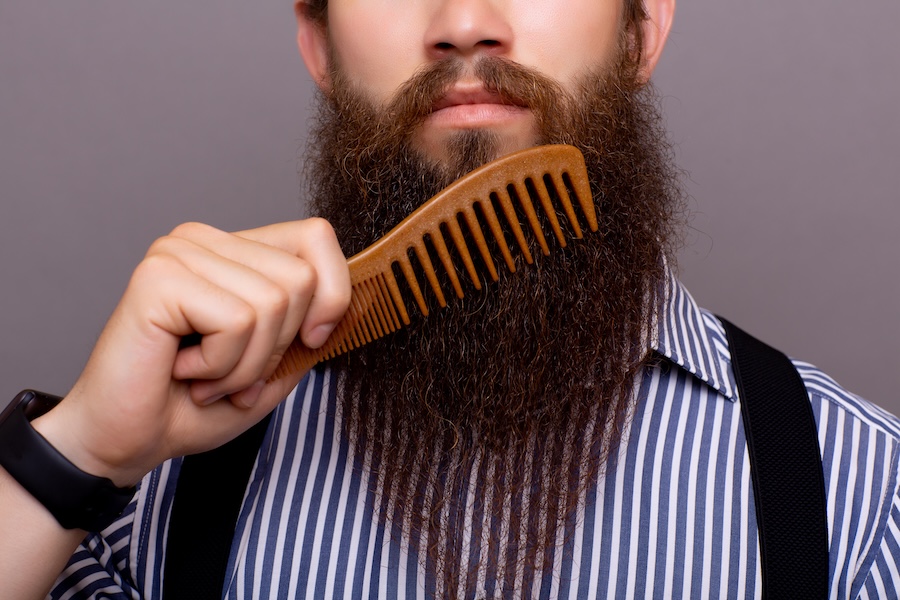
Confidence often follows care. When a beard is groomed intentionally, it signals self-respect and attention to detail. This does not require perfection. It requires consistency.
A maintained beard suggests that its wearer is aware of his appearance and comfortable taking responsibility for it. That awareness tends to carry over into posture, tone, and behavior.

In professional and social environments alike, beards can subtly affect how authority is perceived. Facial hair can add visual weight to expressions and make communication feel more grounded. For some men, this translates into being taken more seriously or listened to more closely.
This is not universal, but it is common enough to be noticeable. The beard becomes part of how presence is projected, especially when paired with calm confidence.
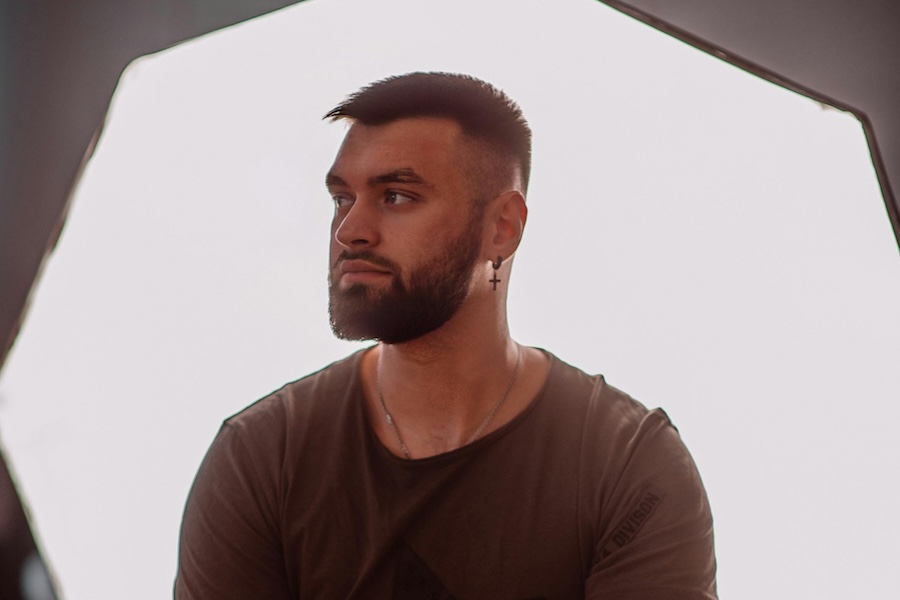
Perhaps the most important factor is internal. When a man feels good about his beard, it changes how he carries himself. That shift is often what others respond to first.
A beard that feels intentional rather than accidental can reinforce identity. It becomes something owned, not something hidden behind. That ownership is where confidence truly begins.

A beard does not create confidence on its own. It amplifies what is already there. When paired with authenticity, care, and self-awareness, facial hair enhances presence. When neglected, it can do the opposite.
Confidence is not grown overnight. Like a beard, it develops through patience, consistency, and time.
A beard alone does not create confidence, but it can support it. When cared for with intention, facial hair reinforces presence, self-respect, and identity. These qualities are noticed, even when they are not consciously recognized.
True confidence comes from ownership. Owning your appearance, your habits, and the way you present yourself. A beard becomes powerful not because it changes who you are, but because it reflects who you choose to be.
Level Up
Stop leaving loot on the table. Join the Guild today to start your journey toward exclusive discounts and free potions!
Adventurer’s Welcome
Two d8s decide your discount. New customers and SMS subscribers each add a d4.
4-24% off
Every roll pays 4-24% off. Two dice to start, and up to two more you can earn.Takes 10 seconds · Your code is good for 14 days
What sorcery do you seek?
Search potions, kits, characters, or articles from the Book of Beardcraft.
In our quest to bring our enchanting formulas to a global audience, we embarked on an imaginative journey to reshape our products. Shipping hemp products internationally brought with it a labyrinth of restrictions, prompting us to craft a new blend without compromising the soul of our creations. By excluding hemp ingredients, we opened the possibility for rainbows and scents to travel unfettered across borders. The heart of our brand persists, filled with intoxicating aromas and enchanting blends that enhance experiences universally. Thus, the beloved character of our products remains vibrantly intact, ready to tantalize senses worldwide.
Throughout this reformulation, we also seized the opportunity to make our products more hypoallergenic by removing nut oils. This thoughtful alteration broadens the accessibility of our line, welcoming even those with nut sensitivities. Our choice to incorporate rosehip and safflower oil was no whimsical endeavor; these oils are famed for their enchanting properties. Rosehip oil, rich in vitamins and antioxidants, fosters the skin's radiance and charm, while safflower oil, revered for its lightweight, non-comedogenic nature, ensures a gentle, soothing touch. Together, they promise an experience as authentic as it is revitalizing, draped in warmth and genuine care.
Calling all collectors and dreamers! The new Collector’s Edition box has arrived, and it’s a masterpiece of magic, nostalgia, and excitement. Featuring the Storm Warden, this edition captures the epic struggle between the legendary sailor and the mighty kraken, with every detail crafted to perfection. Whether you're a seasoned collector or just starting out, this release will make your collection shine like never before. It’s more than a box—it’s a celebration of artistry and storytelling, ready to take center stage in your display.
But that’s not all! The exclusive Dark Sorcerer edition, which embodies all the sorcerer’s draconic magic in its intricate design, is still available—for now. This is your final chance to own the edition that started it all, a true piece of history that launched this legendary series. Complete your collection with both the Storm Warden and the Dark Sorcerer editions, and let your display become the envy of collectors everywhere. Don’t wait—treasures like these won’t last long!
Beard Sorcery
Scent tells a story — whispered or boldly declared. Our scale runs from subtle and smooth to intensely powerful, so you can set the tone.